






Social Media in Boutique Fitness—Stand Out, Drive Organic Growth, and Invest
Join us for our social media-focused webinar that will offer you the strategic edge your studio needs as we discuss how the traditional marketing funnel is basically obsolete—and six ways to get more clients, including the importance of online content to set your brand apart and boost modern engagement!
Three things you can set up this week.
If you only have two minutes.
What's in the session
Read the session
0:01 all right this should be live hello everyone welcome thanks to those of you who are here early today and for those of you that are new to our webinar platform thanks for finding us hopefully it wasn't too tricky the direct link should take you right to our website and don't worry if you're bopping around or get distracted you can always pop back in so I will wait one more minute before we get started gosh I love how prompt you all are thank you get a quick sip of water and ready to go all right Laura I'm gonna I'm gonna just grab mine too it's just right here give me one sec yep hey guys hey Cara Megan lots of new names on here Welcome to our Walla webinar series for those of you who have popped in so far the on the right side of your screen you'll see like you can see the list of folks that are here but you can also chat in so please if you wouldn't mind pop into the chat and introduce yourself obviously your name is there but your studio where you're coming from hi Sherry welcome oh my gosh very excited it's your welcome to wall day and you get to be on a webinar that is all amazing okay thank you all for being here we will officially get started my name is Laura and I am the founder and president here at Walla and we host a Walla webinar series every month for our clients for people that are interested in learning more about the boutique Fitness business side of the industry
1:58 and we bring on fantastic guests and experts from all around the boutique Fitness industry and today we are so honored to have Josh buau here from the yoga preneur Collective Josh and I have worked together for a number of years both speaking at conferences educating gosh working together in every capacity creating content helping businesses and I lean on Josh for a lot of things when it comes to marketing and social media and sales in Boutique Fitness businesses and Josh one of the one of the questions I asked going into this year was what topics are top of mind for our clients for boutique Fitness businesses and I believe social media was the number two request so I very excited to dive into this topic and appreciate you being here with us today yeah I'm super excited so let me share my screen and we'll just we'll kick it if that's cool yeah one quick thing you guys as we get started for those of you who are newer to our webinar Series this is interactive so we want you to ask questions if you want to pop into the chat at any time and raise a hand there's actually a question button on the right side so if you have a question and you really want it answered right away it's going to be really important to the context of the conversation please select that we want this to be something that helps you take action in your business today this week so if there is something that is stopping you
3:34 from that please ask away Josh and I will both pipe in yeah other than that I think we're we're ready to rock so Josh anything you want to lay the groundwork with as far as your background and why people should listen to you yeah I've actually I've got a little bit a section on the slide so I'll get to there in a second but I just I'll just Echo what Laura said you guys that you know here's the thing about webinars are boring so let's make this not boring and the way that happens is we want to curate it to what you guys need to know informationally put your questions in there if you don't understand something we're talking about if you want more clarity or whatever make sure they're in we'll make sure we get to them by the end to the best of our ability and a big element of this is because as the title suggests social media in Boutique Fitness how to stand out drive organic growth and invest honestly we could run twice a week webinar series for eight months on social media and not scratch the surface it's a huge subject matter it's why there are social media agencies that do nothing but couple of platforms and stuff that's not to say that it's overwhelming or that you shouldn't be able to participate in it but rather it's just a large subject so the goal for today more than anything else is to inspire you guys answer questions and help to clarify from a more macro level
5:03 what the heck are we doing if we're trying to stand out and drive organic growth what's actually working versus what's not because maybe a slightly unpopular opinion there is just a lot of garbage information out there and the social media World appears to be changing super fast all the time which it is in some ways but what isn't changing is human psychology at the same pace so if we understand really what is happening when it comes to social media and we have a little bit of a paradigm shift my experience with the clients we work with is that we actually get a lot more success especially right now in 2024 than most people think than most people realize yeah so without further Ado let's kind of kind of do it dive in yeah I will say just quickly selfishly I really like I want our clients to look badass on social media I want you guys to stand out I want it to look different when we land on your sites and it not be garbage so that is why I brought 100% we'll get to that and sort of how that plays because there is a spiderweb part of part of the advantage of social media let's jump us ahead a little bit here right part of the advantage in general we're talking about how do you stand out how do you drive organic growth and then invest how do you like put some money towards it as well it's realizing that the era of social media that we have been in part since mostly I'd say like
6:42 2010 has created this interconnectivity this spiderweb of connectivity between people in a completely new way and as an example of this I'll share from like a personal side that I've got a 13-year-old son and if I let him he would stay online and play video games or he's allowed to be on one social media channel just now he would just do only that all day every single day and someone another friend of mine who has younger kids was making the comment that they're like kids you know they're not going out and playing with their friends he's like I used to ride my bike and my mom would just say come home when the street lights come on and stuff and I was like did that really happen I think it's just what old people say but in any case I was making the debate not to say that it's healthier in some way but rather I would have played with one two three friends a week in person and now in the era of social media my son is communicating with 50 and I mean like really communicating he knows every single person in his class he knows where they are he knows when the kener is like there's a there's a bigger network of connectivity so from a business standpoint it's the realization that right now if you have a computer in your pocket like we all do there's kind of no excuse to be able to get your message out there and build brand awareness in your local market we'll talk about that a little bit more okay
8:18 why do people not like social media let's start there well it's because you suck at it pretty much and there's a lot of let's say like philosophical debates around social media and the health of it and what its objectives are and I'm not going to really debate any of those points but when I when we look at it from a business perspective nine out of ten times when I talk with an owner of a any studio and they say I don't like social media or I don't participate on social media or even more common social media doesn't really work for us like we don't think we're getting anything back from it when we go and audit what they're doing what we realize is that they don't like it because they aren't really doing it they're not like wholeheartedly in it at all so the most important detail right out of the gate is changing the mentality around what the purpose of it is for your business and dissociating that from you personally having an opinion about do you like meta Facebook Instagram Tik Tok whatever else if you want to grow your business and you want to get in front of people it doesn't matter if you like that stuff or not so look at it more like communication distribution channels we'll come back to that point as we go and one of the interesting things I work mostly in the yoga industry but in Boutique Fitness in general and recently we've been working with a few therapy office and they actually Express
9:53 this too there's this quirky concern when it comes to social media around the actual instructors so for example like if I'm teaching a yoga class A lot of owners might be concerned that I'm going to like solicit the people in the class to follow me on social media which then they do or if they like me then they follow me if I have a social media following and I'm somehow stealing from the business in doing that now stealing from the business would be going into the Walla system and downloading the list and walking away with it and then emailing those people that's not ethical and should be blocked but social Med media is different hence the word social we actually want this to happen that's one of the big shifts and what's fascinating is that we have a few businesses out there now when they Embrace this fully their staff and they themselves as an individual build a much larger following than the business does and we'll make this point a few times but it simply comes down to the fact that anyone type in the chat and correct me if you dis agree people want to do business with people not with businesses until a business becomes a major brand and stands for something and has a movement around it then maybe but still preferentially we want the people element yeah human connection yeah and if we invest time and participation in it a lot of owners Express that they don't feel like it's
11:27 worth it I think that partly that's because we're not doing sort of the right thing we're not focusing on the right thing same thing if we're running ads we think that it might not be good Roi but actually more often than not it's because we're measuring it incorrectly we're not actually seeing the benefit and we might be measuring it too early or we're making a like judgment on the measurements too early as well so what does that mean let's jump in on it there's almost an unlimit limited amount of content that anyone on this call could create that's what's really fascinating Boutique Fitness does not have a Content problem like just think about if you run a Matt pilates class or reformer pilates just talking about the core moves on the reformer only just the core ones nothing outside of the box and all of the details of body positioning and contraction concentration and alignment and whatever else you've got years of content you could post every single day and still have something to say about it so it's never been the issue and now more than ever to have something to say the issue is often deciding what to say that is impactful for the audience you're giving it to and curating the way say it to make it interesting it's actually now you could say entertaining but I would use that word Loosely really it's more about interest something that can hold some attention as well the good
13:14 news is that means there's actually kind of a large Advantage if we look at the fact that when we're talking about competing for attention being really the goal for social media and let me back us up for a bigger statement we're in what I would call the era of data which means whoever can aggregate control and Benchmark the data ultimately wins but the other way that we look at data in context for this conversation is attention and it's the simple statement that where attention goes the money flows that's it simple as that or on the more macro if we talk about marketing is an exercise in memorization how do adults memorize things they see them repetitiously we're top of mind yeah so we have a lot of potential content it's really more about figuring out how to deliver that content in a powerful way and simplifying it to have a system of delivery so why is it that there's any difficulty well there's only two categories that I experienced with owners one you're not doing it at all or two we're just looking at it the wrong way completely it brings us to some unpopular truths here's the bait and switch that is this entire webinar social media channels aren't the part that matters at all I'm not going to come on here and be like you should I mean am actually going to tell you guys which channels to go and stuff but to say like you got to be on Facebook and
14:56 here's this super hack to whatever do a dark posts like this and blah that does not matter anywhere near as much as what really matters which is content is message it's the single most empowering thing that you can do in your business to differentiate yourself in your Market build your brand build the no- like trust elements and allow people to organically transition themselves through the standard phases of your funnel from awareness to consideration to purchase to evangelism here's the proof in a simple weird concept if Laura creates content don't worry about social media just creates a piece of content let's say a video that's 3 minutes long every single day for the next year and then we distribute it wherever we can and I create a 3-minute video twice a month for the next year and you have to bet on which one of us is going to have more inflow of clients and more brand awareness who are you going to bet on where are you putting your money right so really the first barrier is to not get caught up in the weeds of social media at all and rather say I need to create powerful content that builds my brand and when we do that first then social media just becomes the distribution Channel as part of a bigger content strategy and that's where it gets more fun because we're not focused on what's the trend and which platform that and the algorithm this because none
16:50 of that matters nearly as much in fact organic social media specifically 2024 and we're going to see this surge for the next couple of years it's coming full circle where even Facebook for example is going to algorithmically serve up quality content to a wider array of people than it has through the last years there's been sort of a market shift there we'll touch on this again in a while but we call this the Tik Tock ification of social media Tik Tok is sort of like changed the game a bit in my opinion actually for the better and most of the recommend ations online when we look at digital ads social media this hack do this here's the trending sound all you have to do is in the first three seconds like poke yourself in the eye and then say something whatever it's it's it's not that has no value but like generally from what should you focus on is it's all just that's click baity stuff for that social media to get traction itself and is far less relevant than creating content at volume and putting it out let's go one step further when we talk about content at volume if Laura is posting every single day and I'm posting twice a month Laura has had 365 at bats how much do you think she's going to learn about what does or doesn't perform how to be comfortable creating it where exactly to do it versus me she's just got more reps in it's as simple as that so any of us would say
18:35 this to our students coming into your Studios as well the first thing you know that they need to do is find some consistency it's like how do I win at whatever it is Pilates yoga bar like step one come in and then tomorrow come back again and then next day come back again and the next day come back again like that's the first thing that has to happen and it's exactly the same thing getting enough reps in ultimately what do we actually want though leads if I go deeper in an interview talking with people about social media I we say why do you why would you consider social media why is it the number two thing that people are asking about maybe it's because they have a general sense that like there is something powerful in it they haven't quite figured out how to crack the code for themselves yet but if we really go a layer deeper I would debate that what an owner really wants are leads we want someone to come into the business that's what this is about and it comes down to this really simple statement if you double your leads you double your business that's it now to back us up to some of this smack talk up front here if you want more leads and you know doubling leads doubles your business and you think social media is a way to do that which it is by the way then it's no longer a question of should or shouldn't I do it do or don't I like it anymore it's just a function of the business all right real quick what the
20:10 heck do I know why would you listen to me about any of this well I've been offering social media Consulting and actually running ad services and coaching bootique Fitness Studios for over 10 years now around this and have gotten to be part of sort of the EB and flow and change of what's happened and it's been really sort of a fascinating journey in the recent years what I would say is I have been for the last decade plus and by extension my team solely focused on what actually performs for a brick-and mortar Boutique fitness studio and that specificity has really helped us clarify what really works versus a more generic generalized approach of how do you win at Social media how do you go viral how do you become an influencer whatever else because it's just a different game that we're playing so I like using the word yoga prur hence our name the yoga preneur Collective there's a few elements to what that means and it doesn't necessarily mean you have to be a yogi but one of the elements that we say that is a requirement of being a yoga prer is having commitment to continued learning and skill development it's realizing that the destination or the target is good to give you Direction but it's not the point the path itself the trial and error the learning part itself that is like the journey that is the real value so social media and all of this is in my opinion actually one of the top three most impactful testing
21:50 grounds and skill development places for you as an entrepreneur as a yoga preneur in your business because of how much you can put out there how fast you can get feedback how much Authority it can give you how much testing and iteration there is I don't know a single person who has gotten good at posting and creating content on social media who then in their Studio sucks at talking to students Selling Stuff teaching the class not one conversely I do know people who are okay at those things but don't do the social media part but they struggle to sell or engage someone or something like that so in a weird way it's actually a very empowering sort of endeavor to be focused on all right really quick when we're talking about leads and marketing as it pertains to this attention is what we want what that actually measurably looks like is engagement so it's people actually actively participating in the content that you're putting out there and when we do this well we create authority comes from trust likeness and competency that's how competency I can't even say that word don't worry about it I know you guys get it that's why it's on the screen the bottom line is if I don't think that your product or you are competent you can't actually help me solve a problem I probably don't want to do business with you if I don't really like you I'm not going to evangelize you if I don't trust you I don't want to do
23:27 anything with you at all so Authority comes from these three things and the precursor to that is I have to be engaged with you enough to have enough exposure to go through the path to for you to basically earn my trust likeness and competency and like we said already and we'll say again I want to do business with people it's hard for me to like a business and like or trust a business it's not that I don't at all but it's the people in it that I'm going to connect to organically more and obviously leads are the real goal what is a lead let's just make it real simple it's people actively coming into your business I would say that someone becomes a lead in a boutique Fitness Studio as soon as they actively reach out to you so as soon as I give you my contact information so that now you and I can directly communicate with each other now I'm a hot lead yeah it's not that there are no versions of leads before that but that's the Pinnacle point that we're trying to create because at that moment you change from what we call like a marketing qualified lead just being a lead to being a sales qualified lead now you're in sales that's the transition and just to be thorough there are no bad leads if I hear if I go to a webinar or if I go to a there's not a lot of conferences these days but like if I go a conference and I see someone or hear someone say again like you just got to get good quality leads and filter
25:02 your leads or whatever else I think I will vomit on the floor like it's just it's so ridiculous when we look at it from the context of our product it doesn't mean that every lead is good but there are no bad leads and the reason for this is even if I put stuff out there and Laura is engaging with me and Laura herself is not the person who ends up paying me a bunch of money and participating Laura's participation still creates benefit to my business it's still social proof she still tells somebody else about me she still maybe engages with my posts etc so there are no bad leads when it comes to social media at all and it's an important shift because if we start looking at it like well I don't know if I'm putting in front of the right people that's not really who practices here I don't know if they're going to participate or they always message me online but they don't even come in for class don't worry about it that's not actually the point conversely it is possible to have a bad product it's possible to have a poor sales process it's possible to make false promises those things are possible but there's not such thing as a bad lead I've gotten the question Josh quite a bit like what about those people that engage with you on social media but they never you know they never give us their contact information they never send us an email do we continue to engage with them online do you push your sales
26:30 process into social media yes and you can accept in sales in general one of the things we trade to train to which is a little bit of a tangent but is related is permission-based selling so when we talk about permission-based selling it means I am not allowed to make an actual offer to you until you ask me for it or you say that I can so what that practically looks like is if you and I are talking on a call like this and we're talking about your business and then I want to tell you about the coaching packages that I run I'm not just going to tell you I'm going to talk with you and you have to either say Josh tell me about your coaching packages or if we get to the end of the call I would say hey Laura we're getting towards the end of the call how do you feel about learning about our coaching packages do you want me to tell you about them you have to tell me you have to give me the permission to do it when we take that and put it into social media land it just means if someone's engaging with you that is beneficial on secondary and tertiary levels and the sales element of it is probably just when someone engages just asking that question hey would you be interested in chatting about practicing or like did you want to come and try a class on me like something really soft like that it doesn't have to be very heavy yeah one other thing I would say to that is if I engage with you
28:06 online publicly you might not be the person who comes in and participates but someone else is living vicariously through the narrative that we're playing out yeah and call someone yeah cool yeah okay we've all heard the statement you make what you measure I like that statement and I would say it's true it is a little too lightweight because what it doesn't describe is are you measuring the right thing so if you're measuring something that's cool but like we said earlier where the attention goes the money flows even just like energetically without getting woo here if you like that's quantum physics if I look at something it impacts the thing that I'm looking at it actually literally changes it so when you start measuring something you're looking at it which means if you're measuring the right thing energy is going towards it and it will change you're measuring nothing changes and if you're measuring the wrong thing doesn't change so before we just say we've got to measure what we're doing here when it comes to social media we want to make sure that we're measuring the correct thing what's the correct thing it's not direct return on investment it's not a click-through rate and that's a little bit controversial in the social media world but when we talk about a brick and mortar business it's very seldom if ever that we find that we post content and then someone sees that and they click
29:39 and they fill out a form and they buy a thing and we can directly attribute a return on investment of the ad spand or blah that's not usually what we see play out and in my opinion isn't even worth attempting to go too far down that direction what we really want is exposure in your Market then we would judge the success of the content Itself by engagement and we'll know that those things are ultimately working because we will have an increase in leads coming into the business simple as that so we have a quick question Heather was wondering just on that like as you're talking about kind of volume and consistency is there such thing as too much content on social media do you think people will think you're putting out too much and bugging them yeah it's a good question short answer no or like it would have to be so extreme but there are ways that you can manually mitigate these things first off but more importantly just consider that one if you say something like let's say we'll use a ridiculous example if I'm telling you about this cup and I tell you about it one time only ever in three weeks from now How likely can you tell me about this cup unlikely you need to hear the same thing about this cup multiple times before it's like really understood so higher frequency of content even if it's the same content is solidifying what your brand is about and algorithmically all of these platforms
31:18 want people to stay on the platform so they optimize over time based off how things are engaged and it's highly unlikely that one single person you could post five times a day just on Facebook it's unlikely that one single person would see all five of those posts yeah I think that's a good point I we act under the assumption a lot that if you put something out there all of your clients have seen it and that is rarely the case so the nature of this question is really positive and it applies in other areas in business as well my comment would be this it's the winning racehorse question that we already did it's like let's use another example if you buy a one-month intro and I buy a one-month intro or we each buy one at a studio and my studio sends you an email every day and a text message once a week and phones you once a week and yours sends one email and one text message only even if mine's way too much content that I'm sending you like it's like super over the top still if you had to bet on who is going to get more interaction in sales as a result and you have to put your money on it you're going to go for the person of the higher volume like so sometimes I think that our nature in Wellness businesses to really be considerate of trying to do positive things for our clients actually blinds us to the fact that in the bigger scheme of impact I would rather air on the side of more content and higher
32:57 volume of stuff going out there and have one person be like you post too much stuff I don't like you Josh but then be seen by another 500 people then try to keep that one person happy sort of thing so yep okay exposure engagement leads and if you can't measure the reason I say this is as soon as something Walla does have the ability to put like a Facebook pixel connected into it so we can actually measure some of these things but sometimes we just can't measure to the detail that we want and attribution is difficult because people don't necessarily tell us organically what's happened Laura might have seen an ad from me 20 times and had be following me for three years on social media she shows up at my studio and I'm like how did you hear about us and she says oh my friend Jim told me because she wants to give the credit to her friend who did tell her so asking the how did you hear about us is not enough so if we're not sure and we can't measure we need to straight ask but the question that you need to ask is have you seen us on Facebook have you ever seen a Google ad from us like a more specific question and then the other thing to do as an extension of that is periodically to run a survey about this and to test by putting something out and then surveying and seeing what comes back on the other side it is very fascinating to sometimes do this I would wouldn't do it at high
34:28 frequency but we often learn a lot in a studio because we realize actually people are seeing our stuff more than we think they are and actually they're online more than they would like to admit they are as well and actually the fact that we're posting multiple times a week on Instagram we are actually being seen and that is helping create brand exposure it's just people aren't reporting it to us by themselves unless we spefic specifically ask ultimately with social media what's the point What's the value it's not the content itself it's the audience that the content creates that's the value the bigger your audience the bigger everything else if you put something out and you can get 10,000 people to see it or you have a 10,000 person emailing list eventually and I only have a 100 you just have more leverage there's more people to go to there's more people to evangelize all right real quick there's six ways that you're going to get people into your business social media is a component of distribution across all of them but especially the three yellow ones word of mouth so hence social if I'm online posting stuff asking questions sharing things talking about your studio that is modern day word of mouth so we have to look at it from that angle paid ads because if you're going to put money behind advertising so social media ads are probably the best bang for your buck still by at least 1,000% over most
36:03 things out there in most cases and they're really fast being if we think about it right now I can grab my phone and while we're on this call get an ad up and going and by the end of today be pretty darn sure that like 500 eyeballs have been on it that's insane if you started when I did in the yoga World Circa 2005 it was like that wasn't a thing we were still running radio ads you know and then organic is super powerful because it builds the no like trust it's a very authentic feeling Le genen Source social media and social channels are the places where organic performs the best currently across the board so how do you actually do this let's jump into some of the meats number one we want to look at the whole strategy of the content creation first as the priority then we look at the social media channels I think building a Content Matrix is the simplest way to get this mapped out to start you'd be surprised you could probably do this in an afternoon and you've got a whole year of content conceptualized ready to go a Content Matrix is basically saying okay what should my brand be known for and if possible you want to be known for something very specific or unique so just saying we do yoga well everyone's going to say that like why would I come to your yoga studio what's special about what you do so if you're the only Hot Yoga Studio in the market that would be one of the pillars is you need to talk
37:50 about heat and why you have heat and how you curate the Heat and the benefit of the heat etc if you're a studio that only does sort of slower paced classes or you're a studio that's more like Fitness oriented like find the unique angle you don't need many three to five and honestly most Studios in the beginning benefit from it being less just doing three things what you're basically creating is like this pillar or this cluster that is the thing you're going to repeat because again marketing is an exercise and memorization we memorize things that are repeated so I want to talk about the same generalized subject matter I'm not going to say the exact same thing but I want to talk about the same things over and over and over and over and over again because that's how I will become clear in people's mind in my market who I am and what I do and from a purchasing standpoint you can't buy something that you're not clear on if I don't actually know what it is or why I want it or how I buy it I won't buy it I there no way for me to understand the value that it can offer and then you would filter that through a second filter which are just content types or in other words different formats and I would probably create five to 10 of those so let's suppose one of your pillars is using the example you already did Hot Yoga and then there's some must include content types here we'll go through in one
39:15 second I could talk about one specific detail of hot yoga that might be the fact that it warms the muscles up which means if you're injured or if you are very immobile when it's difficult for you to generate enough internal heat in a yoga practice it keeps you safe because it gets your body to the heated like as hot as it should be to do the class in a safe and effective way so that's one point on that pillar and then I'm going to create that one point in a small video I'm going to you do a sort of symptom problem solution I'm going to tell a story about it I'm going to do a behind the scenes of someone talking about it I'm going to do an educational thing I'm going to write a blog I'm going to put in a newsletter I'm going to write an email about it the grunt test is what is it why do I want it how do I buy it so I'm just going to explain it really straightforward so just in that one pillar in that one micro detail just from this we have one two 3 four five six seven eight nine 10 places that we're going to put that so again like we don't have a Content problem it's going to be easy to get the volume up most importantly for content types just so that it's been said symptom problem solution stories and little bit educational less so but those are the two that I would focus on the most and then educational would be second symptom problem solution is I'm experiencing this and I don't like it
40:51 and then if you're able to tell me if you're experiencing this symptom it might be because actually this is the problem and therefore you need to do this thing to solve it that's the solution it takes me through the Epiphany bridge and the human nature of it is if I can describe your problem better than you can you automatically assume I have the solution for it creates a lot of authority yeah when we talk about why would people pay attention to your business they need to get something from it what do they want they want transformation they want to solve a problem they want to improve their life they want to move away from pain or towards pleasure so that type of content from a brand building from a clarifying from a getting leads generated standpoint is a really great starting point do you find that one of those is engaged with more like the symptom problem solution versus behind the scenes we find that behind the scenes tends to organically get the most engagement that said it does seem to shift if you get a lot of volume going and there is a little tweak of how you present your like symptom problem solution can make it get more engaged the behind the scenes tends to get more organic engagement but if you look at who's engaging it's the existing Community ah got it same thing same thing with educational content if I've never seen your business before if you're a bar studio and I've never done
42:27 bar and I've never I don't even know that you exist even if I take the time to watch a video and you're like talking to me about why you know we do a move like this or whatever else it can be great information but like it there's no value for me in that I don't need that education that's further down the funnel yeah that kind of content is powerful once I have participated with you and I'm like actually interested in the product so it's why the symptom problem solution I might not know anything about bar but I know what problems I have and if you start talking about that I perk up and pay attention right yeah which I guess validates the need for all of these different content types because you're going to hit people at different points in time and points in their Journey yes yeah and we'll get to this in a moment but creating these like you're not going to do these one time either you'll recreate the same content multiple times so when we look at details of content you've got your Matrix this is like how you would conceptualize what are we going to talk about and then here's the key to this only do this come up with three pillars come up with five content types and then just only do that for like one year and see what happens it's a very strange thought we get bored of it ourselves we're like oh I want to create this I'm going to do this trend or whatever else but when we're trying
43:46 to build brand we don't see that is the most powerful way to do it's about like a really consistent longer term approach repetitively and then rather than change what you're saying we're optimizing the way that we say it for engagement and that's where we start to see real traction as well details to consider people want to do business with people not with businesses and then we alluded to this in the beginning the biggest missed opportunity I see in Boutique Fitness and Wellness is not leveraging the whole team rather we almost like try not to we're fighting against it but if you think about it this way let's suppose my studio has five instructors we use a small number to make it easy and then I build each one of those instructors their own custom landing page with an intro video and stuff on my website I get them to have their own instructor social media channels I even put money into a VA and stuff behind it to help them with creation and distribution of things and each one of them starts to build a following in the local market but because I'm the one who's taken ownership over it and I'm the one who's established them as an expert they're an expert under my banner so even if they post something on their own and even if people like them specifically there's all it's advertising for you as well right and now you have five channels going yeah and just human nature especially if you invest in helping them
45:26 at all going to feel you know like they're responsible to you and they're working for your business in it yes one question we get all the time is how do I get my teachers or instructors to post about stuff we have going on in the studio and the immediate follow-up question is how often do you post about them so if you just never post about them ever like why would they want to I'm not saying they wouldn't ever that you can't ask them but just you think about it just kind of makes some sense yeah test Concepts multiple times one of the other things that people miss when making content is we have a good idea we make the content it either hits or it doesn't hit and then we're like cool let's do another idea do the same idea 10 times keep optimizing on the same piece because again it'll be a different group of people that see it most of the time people who have seen it before it's good for it to be repetitions for them anyways so there's no downside to that and on top of it makes it easy for you because when you make one piece of content about one thing you can just remake it like five times in a row right now and then space out the distribution of it so your volume increases quite a bit just change your outfit prioritize change your outfit yeah exactly prioritize the hook I mean grabbing attention really is like I wouldn't call this a hack it just is really a thing so the example of how we do that is we
47:02 don't start generally by doing things such as saying hey I'm Josh from the yoga preneur Collective today we're talking about like bounce I'm already gone I'm already out so what makes more sense is the hook is right away telling me what the heck is this about why should I pay attention or it's peing curiosity or it's saying something controversial or it's just like a little bit jarring it's something to be like wait what it's like shocking me into paying attention for a second if you get the hook right the rest of it gets a lot easier cut the fat no excess information short and sweet people ask how long should a video be how long should a Blog be how long should an email be the it's the length doesn't matter what matters is can I stay engaged because the idea that like oh people only want to watch two-minute Tik Tok videos now well that's not true they go to the theater and watch Advengers endgame for three and a half hours like people will sit and watch something if they're engaged and entertained the entire time so it's really a question of cut the fat can be any length of anything you want as long as the platform allows you to distribute at that length as long as there's no random lull and excess stuff that's just like boring cut it out so you often end up with shorter content just because you're cutting the fat out connect all your content together if I'm posting on one platform it's not only
48:32 that platform I should reference another one and that platform should reference to this one I should send people to my website etc and then in terms of where do you post number one where are your people's eyeballs so this is about knowing your clients you've been operating for a while ask them but if they're all on Facebook cool post there pretty straightforward because you want more clients like that or if the people you're going after are not on Facebook they're on Tik Tok and you have a Tik Tok Channel guess what it would be a good idea to have a Tik Tok channel so just simplify it down where are people's eyeballs actually looking but number two post where your competitors are not and especially in Boutique Fitness this is fascinating because there are a few places that are just wildly underutilized I cannot believe how little participation there is on Tik Tok do not sleep on it and no one's doing YouTube shorts really out there in a big way no one's running YouTube ads no one's bothering with LinkedIn if you post four times a week on LinkedIn in your local market you are likely in the top 2% of all posters in your Market think about that for a second from an authority standpoint so and anyone on LinkedIn who's in your local market business person likely they're connected so potentially good place so if your competitors aren't doing those good idea yeah we're missing a bullet here
50:08 interesting I mentioned earlier that there's Tik Tock tiktock ification of content what does that mean it means Punchy content that's far more raw and real with a good hook that gets to the point now and is engaging that's what that means it also means that the algorithms are shifting because why Tik Tok has taken off is it was smart about its algorithm in that when you post a piece of content it distributes it to a small group of people in XYZ bubble if it gets engaged at a certain rate it expands the bubble again to more people and then it does it a third and a fourth time so the potential path of reality is high because the piece of content doesn't just get posted did Spike up and then die and it has nothing to do with your followers the result of that is so much adoption that was the fastest growing app other than AI apps for the last five years straight there's so much adoption that now all the other platforms are starting to go back to that Facebook was kind of like that back in the day that's why Facebook beat Myspace is because it was a better platform for immediate feedback loop so they're all coming back to that now which is really interesting and the great part about that is raw is good so you don't have to spend time making the absolute perfect video like mistakes are funny and you know bad backgrounds are fine so it makes your life easier I agree I mean now especially if
51:45 you've got a half decent phone like a newer phone it's more than good enough I think getting a little mic maybe that's it like you don't need anything other than that maybe a tripod like the only thing you need is that the camera is not so shaky that I'm like dizzy watching it and the sounds the sound needs to be clear enough that I don't get annoyed but that's it beyond that and we actually see the more polished the more edited video stuff that's going out there on social media especially in ads it doesn't perform it's not really no it really doesn't I wouldn't say that it DeBrands companies but like it just really doesn't hit it's super fascinating and what you'll see is you know one of the industries to look at for what is really trending would be beer watch How Beer ads go and how curated they are and they're moving way more sort of ugc style content now because they realize that's important okay quick question from the crow what about next door and Yelp yes Yelp G they're so annoying so if in your market Yelp is a big thing like in New York for example Yelp has a has a lot of traction it makes sense to be participating there the question sometimes is it big enough is there enough audience there and is it the place that people are going to look for something like you that then they would take action on so Yelp yes next door yes asteris probably if you like had to pick
53:26 to start you're going to have more success on a different platform than those yeah we'll get to this in a moment but ideally ultimately you're trying to create an omnipresence situation in your local market the detail of that though is to try to create omnipresence right out of the gate is very hard so I wouldn't recommend that I would start with like win onone platform for a minute then expand to the next one then expand to the next one as you're going in your building okay this is a quick snapshot of a Content board so when you're making content here's the other thought is if you get yourself organized because there's actually a lot of steps involved then it'll make your life easier it de-stresses it and you're going to be able to delegate portions of the content creation and distribution ideally the portions that you don't like to do so this would be an example out of like a sauna where you know there's a pre-production card that is templated goes to production it goes through editing then there's a review then there's a distribution then there's another distribution then there's a PPC distribution then there's a completed and then this actually pings it into a different board where it says then we measure it after X time we recycle it after X time and we reiterate it after X time so you can have simultaneously a bunch of pieces just moving along as you're going this isn't this is just
54:54 one version of what's there but taking the time to build this and organize the path and how to manage it has a huge impact in the amount of volume that you can create content is King as we've been talking about context is God so when we're talking about distribution of content the details of what's being said might not change much but the formatting of what you put out there should be congruent with the platform that you're operating on if that makes sense so if I am posting on Facebook that has a specific style if I'm posting on reals or Tik Tok that has a specific style if I post a square to Instagram reels for example and it's just like a collage post might not do anything negative but that's not why people are looking in that area so it kind of doesn't make sense not the context isn't there to get the most out of your content it's not about creating something one time so for any social media post when you're me measuring that engagement and stuff then you would recycle so you recycle the concept by saying like Okay we talked about this and we talk about it again and again and again you'd also recycle the exact same post if you post something and it seen by 10 th people or let's do a smaller number a thousand people How likely is it they are the only thousand people who could possibly be interested in that post very unlikely so it makes sense to just take the literal exact same post
56:42 and just repost it again after XYZ amount of time once you get your content board going one of the things that we would often do is at about three months or six months depending on how much volume someone's creating just go back in top performing posts from 3 months ago repost them again the ones that really hit we draft off of them which means we do a follow-up so you repost it and then we do like a reaction to your own post from before and we say like hey before in this video we talked about this and now here's more information because it's like people have voted that it's interesting so we continue the conversation similar to that is doing reaction or response especially in video this is huge so Tik Tok makes it very easy but you can do this on any platform here would be a really simple example of this if you are driving people to leave you Google reviews which is a good idea in your business by the way every single Google review you should respond to it in Google but imagine if every single Google review you got all of them you have hundreds you do a green screen video of you reading out the review and reacting to what the review is about every single one that like not hard not you know not long the three minutes of video content today yeah exactly and then the last thing is atomizing so atomizing is where you take a longer piece of content and you chop it up into smaller pieces I
58:22 want to show you guys just real quick here I have to open up this tab again one second there are some really cool platforms out there now in the world of AI that make some of these things way more sort of accessible than they've been in the past that's awesome I was that was for some of this yeah so this would be an example okay so in the yoga prer Collective we see this here let me just check our y thing yep yes great no I want to go to excuse me that one here we go okay this is called Opus clip there's about 10 of these out there this is the one that I like to use you take a long form video so once a week we do a show inside my private Network called the weekly Roundup and all the coaches jump on and we basically just talk about what's been going on the last week what we're finding coming up in coaching calls what's happening in the industry questions etc then that video is you can see this was an hour and 14 minutes long we dump it in here and push one button and it just cuts it up and creates a write up how many did it create seven eight nine like 10 other videos it even gives them a score oh my gosh that's awesome so like in I mean Loom like chapter IES videos but this actually breaks them up with oh I love it yeah now this is not perfect but if we're just trying to get volume up these sorts of things are really fascinating and what I would say is Loom is the other is another platform that I
1:00:18 would highly recommend people have on the radar and use but using chapters in Loom or the other platform would be descript because you can edit by Loom now does this if you have the upgrade you can edit the video by the text so you can see the transcript go in look at the text area and like cut that part of the video out to be able to do it so these are things that they're not new Concepts people have been atomizing and doing stuff for a long time like this with content it's just generally speaking as a small business owner it's been very difficult to do because it just you really needed to be able to edit and now the software has caught up it's quite easy actually awesome all right the major Point here as we're coming towards the end when you're creating content there's ideation of the content there's planning the content out there's creating the content there's editing the content then there's distribution of the content then there's measuring these are completely different things so the reason I point this out is when you're getting yourself organized for creation it probably is smarter and more impactful for you to have time to come up with the idea and then to plan it and then to create it and like separate these out rather than I'm going to sit down today and come up with an idea plan out what it is and script it then actually create it then edit it then post it out there and then
1:01:46 go and measure it tomorrow like that's stressful that's going to take me all day even just do one or two videos so instead you chunk it out into these smaller pieces and the editing would be an example of like I sit down with a group and idate then I plan it out I might be the one who creates it I don't do any of the editing we just come up with a sop for how we want editing to be and we give that to somebody else same thing with the distribution so now like I'm only participating in the first half of it and really only in the creation the measuring is someone else as a report that could be on it as well please if you take I mean you're going to take a million things from this there are amazing virtual assistance out there for social media for not a lot of money it is one of the best investments from a marketing perspective you can make in your business 100% yeah don't don't put the pressure on yourself when you could have somebody for $10 an hour doing this for you yeah and if you if you find someone who's even $20 an hour like what their capability level is real high like they get this stuff yeah these screenshots are from a platform called make.com zapier would be another one so this is just an example of for example here when we make a video it gets dropped into air table that automatically because of make goes through a router where it then distributes it to Facebook and then
1:03:17 records the Facebook post in airtable it also routes it to LinkedIn it also puts it to the website it also goes to Twitter so this is an automation which means we put one video when it's completed in one place and it goes to all these places same thing different version of it here this is a little bit beyond the scope of where our focus is the point is that you can build this more like a machine one of the stressors that I hear all the time is that maybe I don't like being on camera or then like all of the steps to do all of this it's just like a lot of effort and I'm not sure that it's worth it's because you're doing all of the steps all the time rather than building a machine that starts to take half of the steps out and then delegating some of the steps so you're only doing the most important part that you have to be part of basically batching content I think that one of the things that is missing in Boutique Fitness is having like a show or a podcast or it sounds funny interview yourself or have someone on your team interview you I even put in here would be an interview that you would do for like a boutique Fitness Studio you know what Inspire to open your Fitness Studio like literally just have someone read you that question and have a camera on you and answer the question that's it and this you know 10 questions or whatever this takes you 30 minutes that's a long form piece of
1:04:46 content you do it in Loom so then it gives you a transcript you use the transcript and you run it through Gemini to create a blog post from it which you then edit afterwards then you atomize the video so you have social media posts on it so like you just sit down and have someone ask you 10 questions and you could do that a few times a year and you could create 20 pieces of content awesome where just quickly we have a question about I put where I have our virtual assistant from but do you have a company that you use that you like we have virtual assistance the three places that seem to be really great for virtual assistance right now Eastern Europe especially for technical things mhm Romania for example like there's just some like really super Rockstar kind of digital Nomad people there Argentina is one and then the Philippines and so we have a small crew from the Philippines through like a third party company we've had a couple of them working with us for four years at this point like they're they're on our team basically yeah and they're awesome yeah we use a company called virtual Latinos and it is based in San Diego but all of the vas are in South America a lot in Argentina a lot in Brazil a lot in Chile so I don't know but upwork you'll find a lot of people from the areas he's talking about on upwork or other kind of contracts aggregators yep there's actually
1:06:25 there's a in the states as well called satiated artists they're a little more underground but it's they work with Stage performers who like these are super high creative high-skilled people that don't have enough work like you're just not on stage enough so they want a remote job to do creative things so for creative stuff that they're it's a little more expensive but who you're getting is like someone who's pretty dope yeah okay it's called social media social I know it sounds silly but if you want to win on it what you have to do is participate on it now it doesn't mean you personally necessarily but the business for sure someone's got to be participating how do you do that well to start straight up engage every single client you have imagine if all the people who come in your studio for the first time you make sure you put in the effort to find them on Instagram follow them DM them comment on their thing during the first their post for the first month don't ask them for anything don't ask them to follow you nothing just go and engage them guess what happens next and if you did that across you know most Boutique Fitness Studios see thousands of people a year new people a year coming in then compound that over time outbound participation is more impactful than you think it's a little bit annoying from our perspective because you're probably getting targeted
1:08:03 by more like National like State national or International level companies trying to sell you something as a business so the perspective is like oh some people are dming me on Instagram and they just want to sell me this thing but if you look at outbound and dming from a localized standpoint it has a totally different feel imagine I live in the same exact town as you I own an ice cream shop and you own a yoga studio and I'm like hey Laura I own this ice cream shop down the way your studio online looks really dope why don't to just say like wanted to introduce myself come by sometime for an ice cream yeah amazing right super high impact so that's a little bit laborious but you could do five 10 outreaches you know a day or have someone do that it would only take 30 minutes and again it's it's like this compounding effect at the very least think about when someone DMS you even if you don't respond if you're like wait what is this what do you do next you go to their profile so you go look at their stuff it puts traffic on your social media direct your clients to your social media that's an easy one but just have that at that I'm not talking about like in the footer of your email I mean like make a post on social media and then in your next newsletter or something you send out a little thing saying hey we talked about this blah and then link to that post like actually drive the traffic to it as
1:09:31 well and then we talked about this with the Google ads as example engage all engage all engagements someone likes it say Thanks for liking someone leaves a comment responds with the comment someone's in the like you want engagement on it so someone has to actively be engaging in real time and here's a little bit of a controversial take but works algorithmically it's be controversial so it's not like try to be weird or rude or something like that but controversy Sparks more conversation so whenever you're engaging in engagement the concept is how do you say or do something that ultimately is going to have more conversation come from it one of the techniques on the super high level I'm not saying to do this it's just fascinating for food for thought is the example was a dog food company they put up a bunch of ads for the dog food but the ads said post a picture of your dog in the comments and you could win the thing or whatever then people would post a picture of their dog in the comments and then other people would be like that's a cute dog I like that dog whatever but then they had like 10 or 20 fake accounts that they hired out that would go on and be like that dog looks stupid and then someone else would be like that dog doesn't look stupid you're an idiot and there'd be a fight but the algorithm views this as a hyper engaged post so it would got served up in this like super insane way wow so it's again I'm not
1:11:10 saying to do that but it was an interesting like case study for the fact that engagement is what you what you want okay we're right at the end here's some practical hacks content is the differenti focus on the content first content's king context is God make it contextual for where the person is seeing it generally speaking people are interested in transformation what's actually the value that you're offering who are they going to become then they're interested in the benefits then they're interested in the features so if you're like we have a studio that has this feature and this feature and this feature that's boring until I understand why that matters in context of the transformation be different early and often so don't be scared to put your person personality out there and if everyone's doing this and you're like no we want to do this do that even if you are so different that it is offputting to one person it means it will make someone else want to be an evangelist product placement over promotion you're going to see this in ads quite a bit now as well we're not saying like hey this is a great Miami hat you should buy it I'm just going to talk about something and have this hat on product placement is just there you don't need to talk about the yoga classes in your studio be like this class is great for this and this just tell a story or just be like hey welcome to studio and walk through and just show
1:12:36 the class or just talk about like something happening authenticity over polish we already talked about that a little bit people want something real and consistency there's a couple other ones here but you guys got it consistency always beats intensity it makes more sense for you to run three posts a week every week from now until eternity than it does to do three posts today and then every day this week and then nothing for two months yeah so step one you do want frequency but Step One is consistency you want as much long-term consistency as possible practical stuff we already talked on it don't sleep on LinkedIn don't sleep on Tik Tok don't sleep on YouTube for ads and YouTube shorts and then here's a weird one that we never think of you're a brick-and-mortar business where I physically come in and I physically stare in your face and we actually talk face to face so show me that get out on the streets stand in front of your studio and be like hey if you can do this Pilates pose you win five bucks or whatever and just film the whole thing or like do a day in the life or whatever else show what's going on in real time because that is the nature of your business all right we're GNA skip through these lead stages because we're at the end here but the idea is you just want to cover the idea of someone being a cold lead a warm lead a hot lead it's a different piece of content that they
1:14:10 need and the final thing that I'm sure you'll be thinking after this is cool organic content what about paid we already alluded to that shorter answer is yes absolutely I don't literally every Boutique Studio should be running paid social media ads in my opinion yeah the key to it is this it's a broad audience do not hyper Target it's completely the opposite of everything else you're going to see on there don't we just don't need to do it we're not like okay I want women 36 to 40 who have an Apple computer who are interested in yoga and have a dog no I would just say drop a pin on the studio five mile radius age bracket maybe men or women if that's specific like that's it and let it run and it will perform better we just see it all the time don't worry about the return on investment from a specific ad worry about The Branding that you're creating so stick to it for like a year and see what shakes out couple other practical things it makes sense usually for anything that you'd put up as an ad run it as an organic post first so you post it as an organic post let it be up there for two or three days then turn it into an ad because it'll take social proof with it and it feels more authentic and ultimately you're looking for omnipresence if I'm on this platform I see you I go to this platform I see you go to this platform I see you which means that remarketing becomes a huge
1:15:46 component of what you're doing remarketing is your Facebook pixel or your Google tag or something like that or within Facebook or Instagram for example you post a video we say anyone who watched 50% or more of that video show them this video and that's a remarketing audience so that's how you're curating the next thing that somebody sees if I've watched two or three videos that are like problem solution videos like we talked about earlier now educational videos might be more interesting for me right okay budget always comes up at the end you need to have a decent budget inside your marketing for ads that being said here's the Mind twist your marketing advertising budget is the only budget that you are trying to spend more money every other budget we're trying to spend less marketing advertising we're trying to spend more we're just trying to make the efficiency better so it's important to actually give it a real budget then if you're increasing in your business keep going basically yeah awesome all right that was amazing so much good stuff had a lot in there yeah absolutely and guys we'll we'll send out the deck with this Josh if that's okay asked you first but I know there were a lot of things that you know people might want to read a little bit in more detail but if you have questions post feel free to pop into our Facebook group and ask Josh I think you're in there so you can answer some
1:17:33 but also in general I know we have some people that are heavily engaged in their social media strategies some that aren't quite as much so I'm sure a lot of you guys can give each other ideas and just share best practices but thank you so much for your time and we will be at with this new platform squel you'll get a recording of the webinar so you don't have to worry about that you can go back and share and watch and then it also lives on our website so on our website we have a webinars page and you can go back at any time and watch it there so if you have anybody you think would be interested in this please feel free to share it's really easy to find and more than anything we just would love to see you guys implementing some of these strategies because it's going to only benefit all of us in this industry heck yeah thanks for your time Josh thank you everyone and next month all right bye
Your host
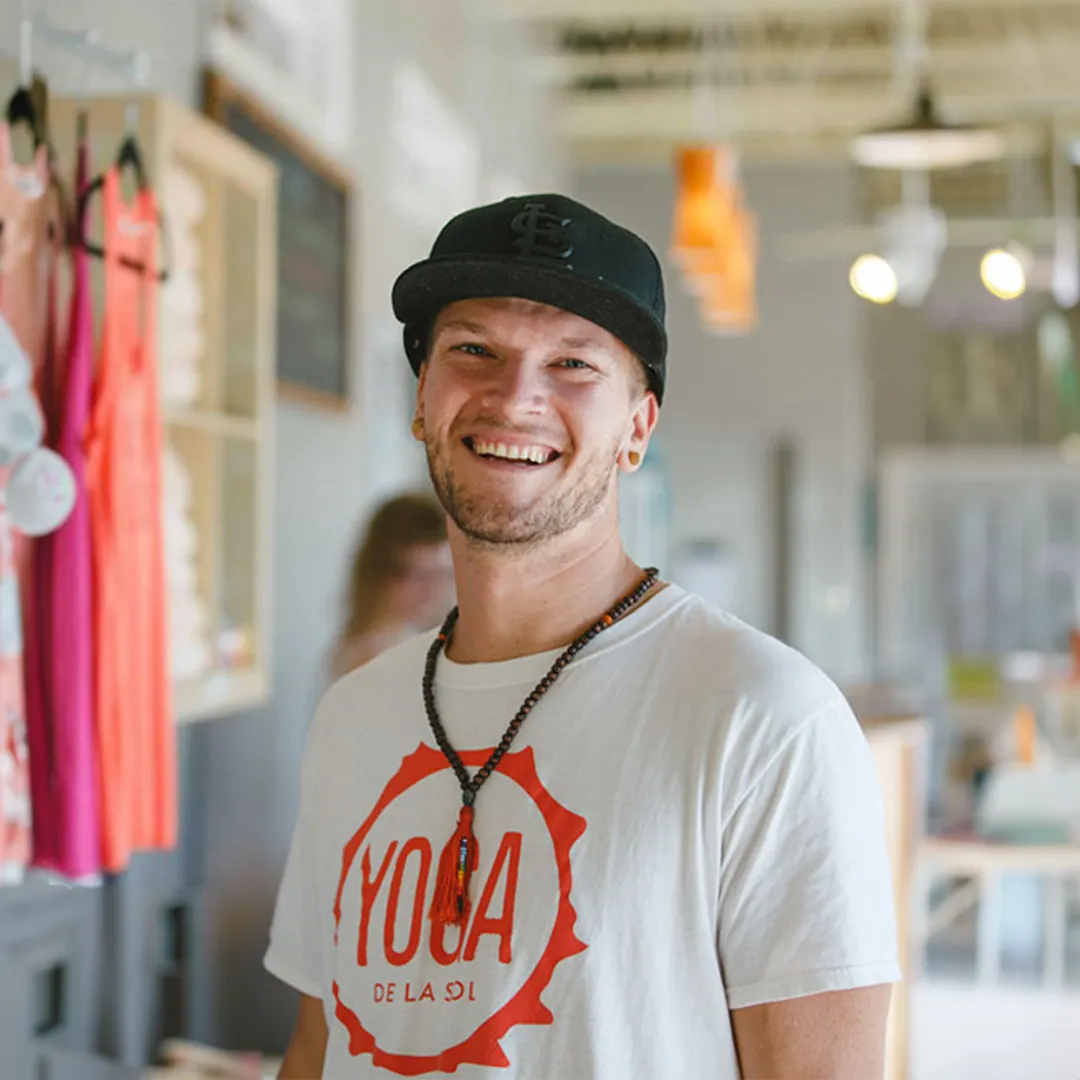
Josh Biro
Josh Biro is the business coach for yogapreneurs who want to make the biggest impact possible. Unlike other coaches that work with yoga businesses, Josh was a yoga instructor who ran his profitable studio with his wife Jenna for seven years. Today, Josh’s signature program, The Yogapreneur Collective, helps yoga businesses all over the world improve their marketing, sales, operations, and team development to increase their revenue, profit margins, and ultimately: their impact.
Common questions
Is this webinar free?
Yes. Every Walla webinar is free to attend live and free to watch on demand afterwards. All we ask for is your email address. There is no card and no trial attached.
Do I get the recording if I cannot attend live?
Register anyway. We email the replay to everyone who signed up within a day of the session ending, and it goes into the on-demand library shortly after.
Do I need to be a Walla customer?
No. These sessions are about running a studio, not about our software. Most attendees are on another platform when they join.
Who is this for?
Owners and managers of boutique fitness studios, whether you run one location or several.
Watch next

Stop managing your studio.
See Walla in 5 minutes — no pressure, just an honest look at what changes for your business.