





The Festivalization of Fitness: Solving the Loneliness Epidemic Through Experience Architecture
Are you running a studio or architecting an experience? The stage is yours.


- With functional parity in classes, aesthetics, and apps, competing on workout quality alone is a race to the bottom.
- Music festivals sell collective effervescence, a psychological blueprint fitness studios can borrow to fight the loneliness epidemic.
- Roughly 1 in 4 adults worldwide feel lonely, positioning experience-driven studios to help heal a global crisis.
Music festival season has officially kicked off (#bieberchella), so how does this tie back to the fitness industry? It’s more closely aligned than we think.
In the early 2010s, the boutique fitness industry won by offering a “better” workout. We provided specialized equipment, high-end showers, and curated playlists. But as we navigate through 2026, we’ve reached functional parity. Everyone has great instructors. Everyone has a beautiful aesthetic. Everyone has an app.
If you are still competing on the quality of your product (aka: the 50-minute class), you are competing in a race to the bottom.
To thrive today, we must look away from the gym floor and toward the desert. Music festivals like Coachella have mastered a psychological blueprint that fitness owners are only just beginning to decode. They don't sell access to music; they sell collective effervescence and a cure for the modern plague: the loneliness epidemic.
The Global Crisis Your Studio is Positioned to Heal
The statistics are staggering. Recent data indicate that approximately 1 in 4 adults worldwide feel "very" or "fairly" lonely. In the United States, nearly 50% of adults report experiencing measurable levels of loneliness, with young adults (aged 18–24) being twice as likely to feel isolated than seniors. Within these groups, the data shows that 75% of Hispanic adults and 68% of Black adults report higher levels of social isolation compared to their white counterparts (54%), often due to a lack of culturally resonant "Third Spaces."
As a studio owner, you are no longer just a fitness provider. You are a frontline worker in the battle for human connection. Here is how the next generation of studio leaders will move from business owners to Experience Architects.
1. From Service to Sensory Immersion
In a standard studio or gym, the environment is passive. In a festival, the environment is the protagonist.
Thought leaders understand that a class/workout is a somatic journey. Every touchpoint must be an intentional sensory cue that signals to the brain: You are no longer in the mundane world. This goes beyond high-fidelity sound. It’s about environmental storytelling.
When you curate the vibe with precision, you aren't just facilitating movement; you are facilitating an altered state of consciousness that pulls the client out of their isolated, digital headspace and back into their physical body.
2. The Power of Intentional Friction
The modern world is obsessed with frictionless experiences. But convenience is the enemy of community. Festivals are inherently high-friction: they require travel, effort, and commitment. Paradoxically, this friction is what creates the value.
In your studio, "easy" is forgettable. The most successful communities are built on rituals of entry that force presence:
- Mandatory No-Phone Zones: Cutting the digital tether that fuels isolation.
- Specific Communal Greetings: Forcing eye contact in a world that avoids it.
- Pre-Class Breathwork: Synchronizing the nervous systems of every person in the room.
These moments of intentional friction signal to the client that what happens inside these walls is sacred. It’s not just a class; it’s an initiation.
3. Decentralizing the "Headliner"
The biggest risk to any boutique studio is its dependence on "Rockstar Instructor". If your business model relies on the charisma of one person, you own a talent agency, not a brand.
Festivals solve this by making the crowd the show. The magic of a festival isn’t just the person on stage; it’s the thousands of people experiencing the same beat simultaneously. As a leader, your job is to shift the spotlight to the collective. When clients feel the energy of the person next to them—when they sweat, struggle, and succeed in unison—they experience collective effervescence. This is the biological antidote to loneliness. When the community is the headliner, your brand becomes antifragile, and your retention becomes rooted in human relationships, not just an instructor’s playlist.
4. Designing the Afterglow
The most valuable part of a festival isn't the weekend; it’s the afterglow—the weeks spent talking about it and wearing the wristband.
Most studios focus 90% of their energy on the 60 minutes the client is in the building. A thought leader focuses on the digital echo. How does your studio facilitate connection once the music stops? Or the door closes?
- Community Forums: Creating a third space that exists outside class times.
- Social Currency: Providing "I was there" moments that your clients can talk and connect about.
- Radical Inclusivity: Ensuring your afterglow strategies bridge the gap for the 60%+ of minority groups who feel underserved by traditional wellness spaces.
The New Bottom Line: We are in the Identity Business
The 1990s were about optimization (big box gyms). The 2010s were about specialization (boutique studios). The 2020s are about identity and connection (wellness collectives).
People are no longer looking for a place just to sweat; they are looking for a place to be known. They are looking for a community that validates their existence in an increasingly cold, digital world.
If you want to lead in 2026, stop asking how to make your workouts harder. Start asking how to make your community feel more alive. Your studio shouldn't just be a line item in a client’s budget or daily schedule; it should be the cure for their isolation.
Are you coordinating a studio schedule, or are you architecting an experience? The stage is yours.
Ready to upgrade your studio?
Book a walkthrough with a studio specialist and see what running a studio on Walla actually feels like.
Learn MoreFrequently asked questions
Brittany Raine
Strategist. Storyteller.
Latest from the blog
Visit the blog →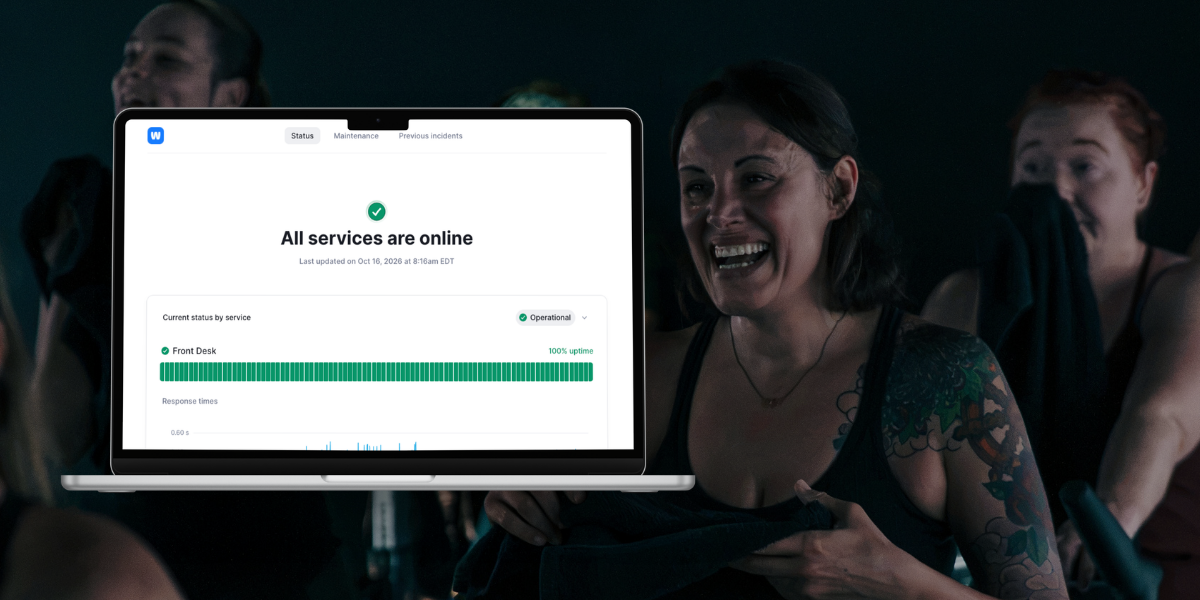
Studio Software Glitches Damage Your Client Trust
.jpg)
The Hidden Cost of Studio Software Downtime
.png)
Beyond the Class List: Why Your App Experience Is Your Studio Experience

Stop managing your studio. Start growing it.
See Walla in 5 minutes — no pressure, just an honest look at what changes for your business.