








How to Choose Yoga Studio Software
Overwhelmed by options? Here's exactly what to look for in yoga studio software—and the questions worth asking before you commit.


- Choosing the wrong yoga studio software costs money, time, staff morale, and client experience, making it an expensive mistake.
- Look for an all-in-one platform built specifically for boutique yoga studios, not repurposed generic gym software.
- This guide covers exactly what to evaluate and the questions worth asking vendors before you commit to a platform.
If you're here, something isn't working. Maybe your current software is clunky, the client complaints are piling up, or you're spending hours every week on admin tasks that should take minutes. You're not alone, and you're not imagining it. Choosing the wrong yoga studio software is one of the most expensive mistakes a studio owner can make, not just financially, but in terms of time, staff morale, and client experience.
This guide breaks down exactly what to look for in yoga studio software built for boutique studios, what questions to ask before you commit, and how to evaluate your options with the same clarity you'd want in your own reporting dashboard.
What Is Yoga Studio Software?
If you want a deeper look at what these platforms actually do day-to-day, check out what yoga studio software actually does. This guide picks up at the decision stage: you know you need it, now you need to know how to choose it well.
Why the Right Platform Matters More Than You Think
The stakes here are higher than they might seem. Research consistently shows that a 5% increase in client retention can raise studio profit by 25–95%, but that only happens when your software is actively working to re-engage at-risk members, not just tracking attendance. Most platforms don't do that.
The wrong platform costs you in three ways: the hours you and your staff spend fighting it, the clients who get frustrated and don't come back, and the revenue insights you can't see because your reporting is a mess. Yoga Pod Tucson felt all three before switching. After making the move, they increased class sales by 43% and cut subscription costs by 20% by consolidating multiple tools into one.
What Features Matter Most for Yoga Studios
Not every feature is created equal. Here's where to focus your evaluation.
Class Scheduling and Online Booking
This is the heart of your studio. Your scheduling system should make it effortless for clients to see what's available, book a spot, and manage their reservations, without calling you. For staff, changing a class time, swapping an instructor, or adding a workshop shouldn't require a workaround. If it does, that's a red flag.
Membership and Billing Management
Look for a platform that handles recurring billing automatically, supports flexible membership types (class packs, monthly unlimited, drop-ins, intro offers), and makes it easy for clients to manage their own accounts. Payment failures should trigger automated follow-ups, not a manual to-do on your list.
Client Retention Tools
This is where most software falls short. Good client retention tools use data to identify at-risk clients before they cancel, then trigger automated re-engagement campaigns to bring them back. For a studio where every membership counts, predictive retention is a direct revenue lever, not a nice-to-have.
Reporting and Business Insights
You shouldn't need a spreadsheet or a consultant to understand how your studio is performing. The right software surfaces the metrics that matter, intro conversion rate, class fill rates, teacher performance, membership churn, in clear dashboards you can actually act on. If pulling a retention report currently takes you 20 minutes and three tabs, that's not your fault. That's the software's problem.
Marketing and Communication Automation
Automated email and text campaigns, welcome sequences for new clients, re-engagement flows for lapsed members, these should come built in. Every extra tool you're stitching together is another login, another monthly fee, and another thing that can break at the worst possible time.
Branded Mobile App
Clients expect to manage their memberships from their phones. A branded app, one with your studio's name and look, not a generic platform logo, reinforces your brand every time someone opens it. It also makes booking frictionless, which directly reduces no-shows.
What Separates Boutique-Specific Software from Generic Platforms
Gym management software and yoga studio software are not the same thing, even when they look similar on a features list. Generic platforms are built to handle memberships at scale, open access, entry swipes, locker rentals. They're not designed for class-based scheduling, teacher sub management, intro offer conversion tracking, or the nuanced communication rhythms of a community-driven boutique studio.
The difference shows up in the details. Can the platform handle a client who has both a class pack and a membership running simultaneously? Can teachers submit sub requests directly through the system? Can you see, at a glance, which intro offer clients converted to memberships and which didn't? These are yoga studio questions. Make sure your software has yoga studio answers.
How to Evaluate Support and Onboarding
The support you get during and after your switch matters as much as the software itself. Better Buzz Yoga cut 15 hours of weekly customer service after switching, not just because the platform was better, but because the support team actually knew the product and could answer questions without escalating to a callback queue.
When evaluating support, ask: Is there a dedicated onboarding team, or do you get handed off to documentation? Can you reach someone who understands boutique fitness operations, not just the software UI? What does data migration actually involve, and who handles the transfer of your client records, payment history, and active memberships?
A smooth migration, one where your clients barely notice the change, is the baseline expectation. Anything less is a red flag worth taking seriously.
What Does Yoga Studio Software Cost?
Most full-featured boutique fitness platforms run $100 to $350+ per month, with some adding per-transaction fees on top of the subscription. That range looks significant in isolation. But the relevant comparison isn't the subscription cost alone, it's the total cost of your current tech stack.
If you're running separate tools for scheduling, email marketing, retention, and reporting, you're likely spending more than a single platform would cost, and getting less visibility across all of it. Understanding why the investment pays off is usually less about adding an expense and more about replacing several fragmented ones with something that actually works together.
Before evaluating price, confirm what's included: Is there a per-transaction fee? Is the branded app an add-on? Does support cost extra? Transparent all-in pricing is a sign of a platform that's confident in its value.
Questions to Ask Before You Commit
Frequently Asked Questions
What features should I look for in yoga studio software?
The must-haves are class scheduling and online booking, flexible membership and billing management, automated client communication, business reporting, and client retention tools. A branded mobile app is increasingly essential. Prioritize platforms built specifically for boutique fitness, they'll have the right nuances built in, like sub management, intro offer tracking, and community-oriented communication tools.
Is Mindbody good for yoga studios?
Mindbody is a large platform with broad coverage, but many boutique yoga studio owners find it expensive, over-complicated for their needs, and difficult to get responsive support from. A significant number of studios on Walla migrated directly from Mindbody. If that sounds familiar, switching to Walla is more straightforward than most owners expect.
How do I switch yoga studio software without losing clients?
Choose a platform with a structured onboarding and migration process. The best platforms assign a dedicated contact who handles the data transfer (client records, payment history, active memberships) with minimal disruption. Studios that have made this move consistently report that clients adapt quickly, and many don't notice the transition at all. The fear of switching is usually bigger than the actual process.
Can yoga studio software manage multiple locations?
Yes! The best platforms include multi-location management as a core feature, not an expensive add-on. Look for a system that lets you manage schedules, staff, and reporting across locations from a single dashboard, with location-specific customization where you need it.
What's the difference between yoga studio software and gym software?
Gym software is built for open-access, high-volume membership models with entry tracking. Yoga studio software is designed for class-based scheduling, instructor management, community communication, and the specific retention patterns of boutique studios. Using gym software for a yoga studio is like using a restaurant POS for a retail shop—the category is close, but the workflows don't match.
Choosing software is one of the most impactful operational decisions you'll make. The right platform gives you time back, makes your team more effective, and creates a better experience for every client who walks through your door. Take the time to evaluate it well, you'll feel the difference every single day.
Ready to upgrade your studio?
Book a walkthrough with a studio specialist and see what running a studio on Walla actually feels like.
Learn MoreFrequently asked questions
The Walla Team
The Walla Team
Latest from the blog
Visit the blog →.jpg)
5 High-Impact October Strategies to Drive Revenue, Retention, and Studio Growth

.jpg)
Beyond the Challenge: How Strategic Behavior Change Drives Studio Retention
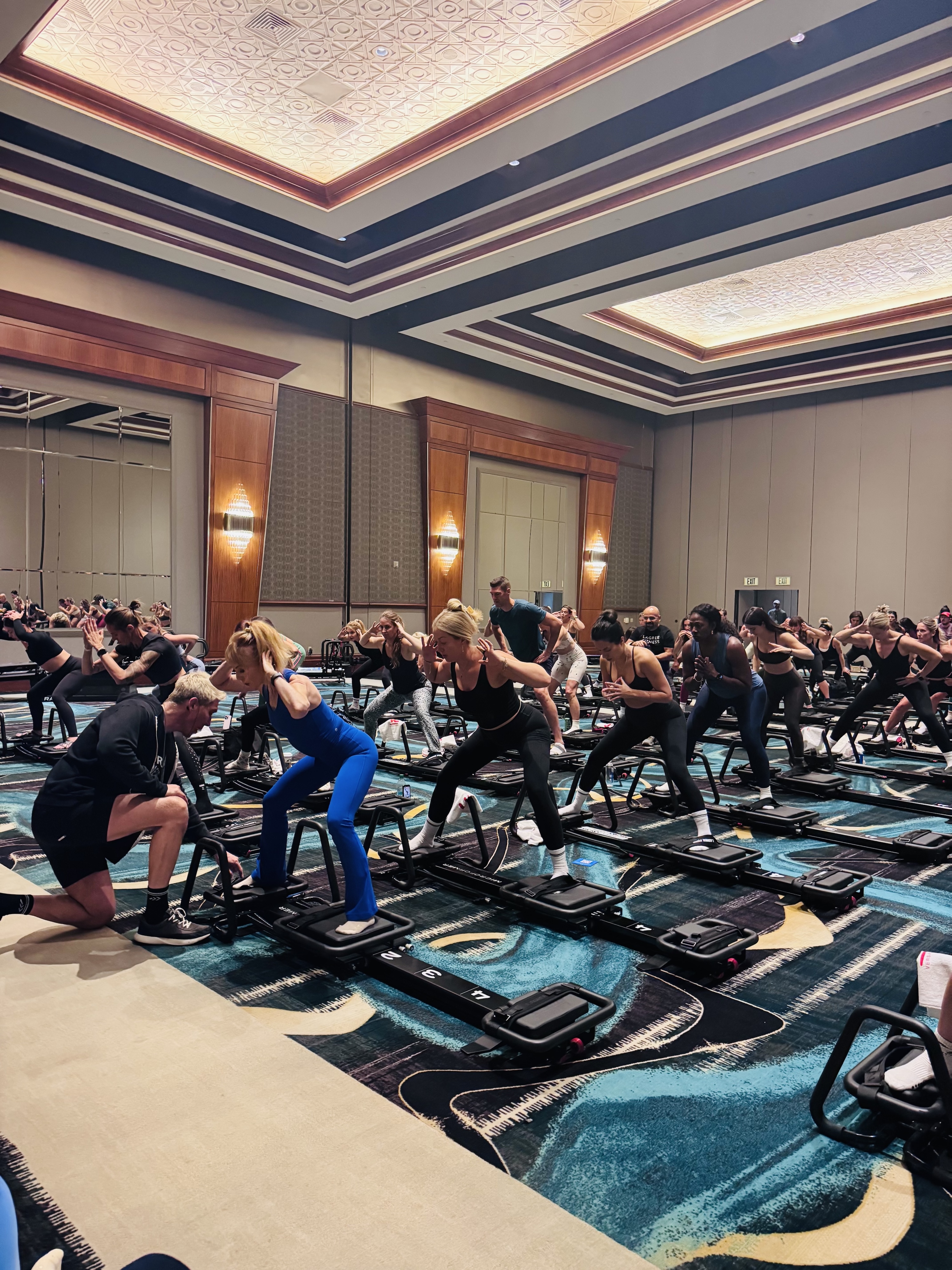
The Real Reason People Flew to Vegas for the Lagree Summit

Stop managing your studio. Start growing it.
See Walla in 5 minutes — no pressure, just an honest look at what changes for your business.