








Three things you can set up this week.
Trust the Process
Following the checklist and staying engaged with the Walla onboarding team ensures a smooth transition.
A Positive Mindset
Instead of seeing change as a chore, present it as an exciting step forward for your business + clients.
Communicate with Staff
Acknowledge your staff's fears. Provide clear scripts and reassure them that issues are temporary.
If you only have two minutes.
What's in the session
Read the session
Laura Munkholm:
Hello. Hello, everyone. Thank you so much for being here for our Walla webinar on the blueprint for switching studio software. I had to practice that a few times before I pulled over my words. I, uh, wasn't in charge of naming this. Um, for those of you that I have not met yet, that is a lot of you on this call. My name is Laura Munkholm. I am one of the founders and the president here at Walla, and I am so, so thankful to be joined by Whitney and Julie today, two of our amazing clients. Julie is the owner of LaVar up in the Bay Area, and Whitney is the owner of the Bow Collective in in Park City. Sorry. Not Salt Lake City. So if you're ever up in the Bay or skiing in Park City, definitely check out their businesses. Um, but I would love, if you don't mind, to kick off. There is a little chat on the side. Oh, hey, Mark. You you did exactly what I was hoping to do. Please pop in, say hello, introduce yourself, your studio, and where you're coming to us from. Um, and that way we can address you guys by name and have a little bit more familiarity as we answer questions later on. Um, on that note, just quickly, housekeeping. Uh, if you do have questions throughout the conversation, there is a little q and a button on the right side of your screen next to the people, um, and the chat. So if you click on q and a, that is the best place to ask questions because in there, I can, um, mark them as answered or to be answered, and we can make sure we check those boxes and you're not left wondering and frustrated at the end. Um, okay. Awesome. So the goal of this webinar is not to sit here and sell you a perfectly rosy, everything works in percent of the time situation. We know that one of the biggest challenges for studios thinking about switching software, particularly mind body, where maybe you've been on this platform as a business owner, prior to that as a teacher, maybe even before that as a consumer. It it might be all you know. And our goal here is really to paint a really a a very realistic picture of what the transition process is like with two of our clients who have gone through it. Whitney, about a year ish ago. Right?
Whitney:
Just a year.
Laura Munkholm:
Yeah. There you go. And, Julie, uh, how many months now?
Julie:
Just a few months. About four months ago.
Laura Munkholm:
Four months ago. So, yeah, a couple of people who are at different stages, um, different types of businesses within the boutique fitness landscape and, um, really dive into to the details of the data what data comes over, the experience they had with their staff, their clients. And, you know, I'll be asking questions like, what do you wish you knew going into the process, and how would were the interactions with our teams. So I'd I'd love for each one of you to just give a quick introduction. Um, tell us about you, one or two minute bio, and then we'll dive in so
Julie:
they know who you are. Julie, you wanna go first? Sure. So, um, as you mentioned, I we have a small boutique fitness studio in San Jose called LaVar Studios. Um, it's been in operation since 2017, but I became the owner just last November, so not quite a full year, um, so far.
Laura Munkholm:
Awesome. Cool. And what was your background before, um, the studio?
Julie:
I actually ran a Montessori school, so completely different. Um, but I have been involved with LaVar since its inception. So I was a founding member here. Amazing. And I have a background in dance. So
Laura Munkholm:
Awesome. Okay. So not technology?
Julie:
No. Not technology.
Laura Munkholm:
Okay. Awesome. And how about you, Whitney?
Whitney:
Awesome. Well, we've been here in Park City growing for the last ten years, and, uh, we're a hit style studio that is also a, um, full scale retail experience too. So we have kind of a hybrid footprint on the real estate. Um, and we say, um, you know, our people really the concierge approach to how we take care of things for them has been important for the last decade. So, um, a change the change management was really big in, uh, jumping into this. So Yeah. Yeah. We've got a great base, wonderful people, and have a great time here in Park City.
Laura Munkholm:
Cool. And, Whitney, you were on Mindbody from day one. Correct? That was your Yeah.
Whitney:
Yes. Day one was, uh, I would say, as we started to demand some sort of software, uh, MINDBODY back then was all that we knew. I don't even think I knew their competitors for years, and I I remember just being like, I guess this is how it
Laura Munkholm:
is. Yeah. Yeah. This is what this industry has. Okay. And, Julie, the bar was on Mindbody
Julie:
From the very beginning. From the very beginning. Yes. So from 2017, so seven years.
Laura Munkholm:
Okay. And and the reason I bring that up for everybody on the call, I just think it's helpful contextually to understand how much data we're talking about when we are moving a business. So this is a decade, you know, of data. It's not a small amount, thousands and thousands and thousands of clients and bookings and all of that. So as as you think about this process and what they went through, it's not just, you know, the 100 current clients they had for the last, you know, six months. This is a lot. Um, alright. I'd love to start with you, Whitney. What's what made you consider changing or want to change when when you started thinking about, gosh, there something's not working in my business?
Whitney:
Yeah. I think, um, we're in an expands expansion phase about a year and a half ago, have an opportunity to expand to another market. And, um, our booking platform was the one thing that is not systematized the right way back then. I just knew if we're gonna grow this, this can't be the way. What took us to this point can't be what accelerates our growth, and and I could envision turning one studio another one another one another one and doing that it with an interface that felt pretty or, um, aesthetically pleasing and and running reports that felt really easy. So I knew that better had to exist out there, and I knew in order to grow, um, and be, you know, kind of rise up, I had to find a new answer.
Laura Munkholm:
Okay. Alright. Thanks for sharing that. Um, and how about you, Julie? What was what was the main reason you really started considering a switch?
Julie:
Well, as a new owner, um, I came in and just was blindsided by the lack of support for starters. Um, I had a lot of questions because I had never looked at it from the administrative side before. I'd only been a user. And so I knew how it worked as a user, and it wasn't slick and it wasn't pretty, but it it functioned. But on the from the other side, I was really shocked when I had questions, and I couldn't get answers, um, in real time when I needed them during, like, working hours where I was focused on work and not trying to drive my kids around or doing something else. Um, I found the reporting to be really robust but overly complicated. Like, I I'm not a data person necessarily. I I need data to make good decisions going forward, but I don't need to be, like, trying to sort out and figure out what it means. I want somebody the platform to tell me what it means. Right? Right. And then the marketing piece was really frustrating as I started to dive down and try to figure out, um, why things weren't going to people or people were saying I'm not getting that message. And so I just knew for all of those reasons that it was that there had to be something better, and so I started to open open the the door to exploring new options.
Laura Munkholm:
Okay. Awesome. That's really helpful. I think those are super common reasons we often hear, especially the expansion, the scale, the marketing suite, or marketing options. Um, and so I think probably a lot of people on this call are are kind of in the same boat. So let's let's get a little bit more into the the details. So you've decided on Wuala. You are kicking off with our onboarding team. Knowing what you know now, um, with again, let's start with you. What do you wish you knew going into the process? If you could go back and tell your year ago self, like, okay. This is what you should prepare for and think about as you get started.
Whitney:
I I think the change management is a continuous part of the cycle for months Mhmm. After launch.
Julie:
Yep.
Whitney:
And this should surprise no one, but it really isn't like you flip a switch. And it is as long as you can direct that change to your amazing clients with whatever enthusiasm you have and and stay in it, they'll come in any way with you. I think I I maybe didn't know. Like, I was still going through kind of reiterating and reminding and changing, um, you know, just to kind of it was a process that was maybe a little bit longer than I anticipated. I wish I maybe knew that it would still take, like, another quarter, but, god, it was so worth it.
Laura Munkholm:
Yeah. Okay. And how long did the, like, the official quote onboarding process from kicking off with wallet to actually being live on wallet, roughly how long did that take for you?
Whitney:
It was about six to eight weeks. And we structured it. We kinda we kinda called for it to be like that because it just timed right into right after our slump and into a busy season so we could reframe it that way. So it probably could have gotten done quicker, but we just slowed it down a little bit.
Laura Munkholm:
Okay. Awesome. And, Julie, was that about the same time frame for you?
Julie:
Yeah. We did it in about six weeks, and I wasn't on any specific timeline. I just followed the lead of the onboarding team and said what what's it what's ideal? And they said we could do it in six six weeks.
Laura Munkholm:
Okay. Okay. Awesome. Um, and then how about you? Anything that you wish you would have known going into the process, Julie? Um,
Julie:
I would just say that I wish I knew then what I know now about how easy it is how user friendly it is. My staff was actually much more concerned about the switch than any of our guests. Yeah. And I think they had it was a bit of a trauma response to what they had been used to, and, oh my gosh, how are we gonna learn this? And so if I could have I don't know if I should have done a better job showing them what it could look like or how it could be different, but I but the ability for them to just kind of jump in and play around and get to know the the system is totally different than what they had experienced before. And so they were really worried that it was gonna take them months and months and months to try to figure out how to learn this.
Laura Munkholm:
Yeah.
Julie:
And it didn't.
Laura Munkholm:
Yeah. I think that's a really good call out. And Whitney to Whitney's point, there is still a lot to learn because you you don't know what you don't know until you come up with the situation with a client or with a new membership or whatnot. And those things take time to learn over a quarter or over a handful of months, but the day to day basics you would say, they picked up more quickly than they expected. It was so easy.
Julie:
Yeah. And I I think in general, you know, there's things that are gonna come up, unique circumstances or whatever. But the truth is is none of it is an emergency, and it's all really fixable. It's just we might have to do something manually. No big deal.
Laura Munkholm:
Okay. Awesome. I I wanna say I've done that.
Whitney:
Um, the shock and awe that maybe I thought was gonna happen did not, like, in the vein of the switch over was so delightfully seamless. Like, it's so if sometimes that can be a real barrier to be like, I just don't wanna disrupt the system, and they're, I thought it was worth mentioning. We did not have a shock and awe, period.
Laura Munkholm:
Yeah. Yeah. That's good.
Julie:
I see there.
Laura Munkholm:
And one thing that you mentioned when we were kind of chatting about this initially is just the mindset you went into it with and kind of groomed your team and clients with. And and, Whitney, do you wanna speak to that a little bit? You just you I don't know. You talked about how you tried to have really nice training and make it exciting.
Whitney:
We had fun with it. We really tried to take a narrative of, you know, what's onward and upward, and this is part of, you know, our growth plan. And, um, we're we're really revamping this for you all. And we did fun check ins of making sure that everybody you know, if they came by and could show us that they actually understood how this app worked, we gave them a pair of socks. If we you know, we really had to check where it's it it can only function as well as you can implement to your people. And the more time and and kinda joy and fun you put into that, at least for us, our people weren't, um, responding to it like it was a pain. If they were like, alright. And then they were like, I love it. And the messages came back like, this is sweet. Okay. You know? So you um, we just we had fun with it. We did giveaways. We we did what class, you know, who if you can, um, show us prove to us that you know how this system works, then you'll win this, or we'll do giveaways.
Laura Munkholm:
I love it. That's awesome. How about you, Julie? Anything else from, like, a mindset perspective you would add to that?
Julie:
I just think that I mean, we just framed it as this is exciting. This is something that is going to benefit all of us. And, I mean, we just sort of normalized the change. Like, this is what's happening. It's no big deal. Everybody's gonna get to go to the all their classes, so don't freak out. And, uh, we're gonna take care of you. And we and we did. We didn't have to do very much, but, I mean, it just happened.
Laura Munkholm:
Awesome. Now just to get into a couple of the granular things, because I I think a lot of people on this call, there there are a lot of generalities, right, that we can say. But if there are a few specifics, like, I know, Julie, you mentioned something about the user interface and just what things look like on the website and app. What advice would you give there? Just, like, wish what you wish you knew before going into it.
Julie:
Yeah. I mean, I guess I wish that I could have, um, known a little bit more clearly what it was going to look like from for the users so that I could have walked people through it. Mhmm. But because I didn't know what it looks like, I just sort of had to we just rolled with it. Right? I said, oh, let me see your phone. Let me tap tap on it. I don't know. But it's pretty it's so user friendly compared to what we came from that it for most people, depending on, you know, your experience with technology and your generation, I guess, um, there was we had a lot of people who never looked back, and there were a few that were like, I don't know what to do. And I'm like, oh, let me help you. Yeah. Mhmm. Yeah. Yeah.
Laura Munkholm:
It's a good call out because when you're in the process, when you're with onboarding, you're spending a lot of time behind the scenes in you what you view in the software, not always thinking about what your clients are gonna see. So that's a really good call out for those of you that are thinking about it. Make sure you spend a little time with you and especially the staff members that have to deal with customer support in one way or another. Like, play around in the the app or on the website and see what the widgets look like or use one of our demo sites to do that so that you can make sure you've got familiarity there. Um, and, Whitney, you had mentioned something about the branded app as well.
Whitney:
Yes. I, um, those of you that have a branded app, that's been signature for us, and I think it was something I didn't see coming that the Walla, um, interface is just as acceptable to our people as the branded app. So it almost was another step that, um, I I didn't anticipate. I thought the branded app would go right across. And, I mean, it's a quick remedy, but that they can access through Walla which kind of back in the days, they could go around the post with Mindbody too, and we'd get people that would go outside of Mhmm. The branded app.
Laura Munkholm:
But Yeah.
Whitney:
I always like to have people going through that channel, of course. So Right. It's that was a heads up.
Laura Munkholm:
Right. So when you think about where people are gonna be engaging with you, which is your branded app or the website, I think people who are used to only using a branded app, when you get your the wall of widgets on your website, wall of widgets on your website, they're so easy to use. And and actually making purchases and booking is like I I mean, it's like buying something on Instagram. So it's really Apple Pay, you know, Google Pay. It's so user friendly that you may have people that don't end up using the app because it is so easy on the website, and a lot of businesses were never were not used to that. So they hadn't really thought about the website as as much as maybe you can now. Not to say you don't you can't push people to the branded app. It's beautiful. It's easy. It's great. It's just it's also super easy on the website.
Whitney:
Yes.
Laura Munkholm:
Okay. Cool. So another thing that, uh, both of you mentioned is that right after you go live, there can be people who have billing questions or billing issues. Like, um, you expected them or they didn't expect to get billed yet or, you know, whatever that might have whatever the situation might be. Um, do you wanna give an example, either one of you, of that or just something you did to help communicate with clients around when their plans would bill and what would happen?
Whitney:
If you if you want, Jules. Or
Julie:
No. Go ahead.
Whitney:
I could say, uh, some of my experience was when, um, you know, getting them on the auto system and if they need to adjust their plans. Mhmm. Um, just making sure that the calendar date is set before the auto renewal. That was a neat callout where, you know, some double booking would happen just because it was on an auto. We had kind of assumed that one step was enough, but it is a two step thing. And once that is confirmed and done, it's very, very simple to do. But, um, that you know, I think when people switch plans, I've I've become pretty sensitive to making sure that, like, okay. Let me double check that their bill date is different than their switch date Yeah. Yep. For what it's worth.
Laura Munkholm:
Yeah. I think the the big callout is, like, our billing or our data migration team will be hyper communicative with you guys about this. And while you're going through the process, and there's a lot of information coming at you in that last kind of, you know, week before you actually switch to fully moving and breathing and processing and everything in Walla. And so just paying hyper attention to that when billing will start in Walla versus when it needs to wrap up in mind body, because one of the the big things that happen is that we do move credit cards over into Walla, and, um, that doesn't happen instantly. It's it's a security thing through Stripe. They have to make sure we've got the secure data moved over. And so even when you're working in Walla, there might be a couple days where you're still processing payments and So just hyper attention to that, I think, is really the call out. Mhmm. Um, so let's talk about how you went through the the six weeks with our onboarding team. What was the product management system like for you, Julie?
Julie:
I loved it. Um, it was because it was checkboxes, and that's just how my brain works. Right? And so it was really helpful to see everything laid out, albeit slightly overwhelming, especially at the beginning, because there are a lot of tasks to get done. But they are laid out in a way that they're chronological, and they have due dates, and they are sort of bite sized pieces. So you always feel like I always felt like I was making some progress even if I was only sitting down to check off one thing that day. Mhmm. So I I actually loved the organization of it, of the onboarding process. It works for me and my team. I I have an, um, business operations manager, and she and I tag teamed this whole project. And so we just we just made our way through through it. Yeah. Yeah.
Laura Munkholm:
Okay. Awesome. And, Britney, how about you?
Whitney:
Yeah. The the deadlines, oh my gosh, they they were so great. It's how I function best. Just tell me what has to be done and by when. And, um, every the accessibility to I'm not sure if I understand this. Let me just ask a quick question. Okay. I'll work on it. I you know, it really is how we get to the finish line. And I never once for felt like I think this is the first time they're figuring it out. Like, it it's a Rocket Lane was like a set plan that we're just executing. So I I had some real peace of mind there where I'm like, this is we're we're, like, tiny compared to what they've dealt with.
Laura Munkholm:
Yeah. Yeah. Okay. Awesome. Yeah. So for context, guys, we do have a full project management software. We're not, like, dumping you into a bunch of Google Docs that you have to keep organized. It's a very hyper organized system, um, and it links you out to videos or articles or can you can communicate with our team. So it's definitely it was a lot of trial and error to get there. I won't lie. Like, as a business owner, we learn a lot through the first few migrations, first handful, and I I think now we've gotten into a place where I know now we've gotten into a place where it can be really effective.
Julie:
Yeah.
Laura Munkholm:
Um, what about the data migration piece of it surprised you? Um, I Julie, I know you had some feedback here.
Julie:
I did. Uh, I mean, there we when we came to data migration, I think this is the part, like, just personally that I had the most anxiety about because I'm like, oh gosh. I don't want to lose data. But we also cleaned up a lot of data in this migration, which was is a beautiful thing now, and I'm so glad that we did it. But when I was we were working through it, it felt like I mean, like, I had checked my boxes, and there was a time when it sort of felt like maybe the onboarding team was behind the deadline, and I started getting extra anxious about that. Like, are we gonna be ready to go live on time? And, of course, when we hopped on the call on the day that we had it scheduled and they I mean, they like Whit said, it I mean, it was, like, the this is not their first rodeo. So as long as I did my homework, they were doing theirs. Um, I didn't have to there was all of my worry was for nothing. Um, and in the process, I got some really beautifully cleaned up data. So where we used to have, obviously, the last seven years worth of all sorts of different memberships and plans, and we were able to sort of group them into what we can now call legacy plans. And, anyway, it just looks prettier now and more digestible.
Laura Munkholm:
Yeah. Yeah. And how about for your clients? Did they either one of you wanna pipe in about your client's experience with, you know, seeing their data in the system afterwards?
Julie:
I mean, I can speak to that too. I think our our guests were so pleased to be able to just even see their past history, which was something that just from the user end wasn't wasn't available in the same way or the same, um, viewable way in Mindbody. And so because not only did everything transfer over and but now they're really able to see oh, yeah. Look it. I can see my next billing date, and I can see all of my past billing. I can see all the classes I've taken. I mean, they yeah. Their data was all there, and it was finally accessible to them viewable to them.
Laura Munkholm:
Mhmm. Okay. Anything to add there, Whit?
Whitney:
No. I mean, just like you said, the transparency and the and the delight. Like, the interface is so much more delightful. But, you know, then my I mean, gosh. They loved it. They loved it.
Laura Munkholm:
Good. Good. Um, okay. Let's let's talk about, um, just advice. So we've got a lot of people on this call and probably watching back recording, uh, who are just kind of considering this, thinking about it, on the fence, maybe close to jumping in. What advice would you give them, um, to make sure that this is a really smooth process? Because and I'll be super honest with you guys. There are definitely migrations that are not a 100% seamless. And oftentimes, a lot of it is gonna come down to the the owner's ability to, like Whitney said, meet deadlines for for the tasks that you have on hand and to follow the process. So, you know, we we need to make sure there's a lot of open communication. But other than that, that would be mine. It's, like, deadlines are really important and the team has a process for a reason. But anything else that you you ladies would add?
Whitney:
Jules?
Julie:
Create excitement around the process because I think that that's key, um, that this is going to be better. And I would say, divide the tasks if you can with somebody. Find somebody who you can trust, who you can share these tasks with, and do it during a time when you can fully commit to it. Um, we were fully in and for those six weeks. Not that that's the only thing I did for six weeks. It's not by any means. But I was but it was a priority for six weeks. So if I had a deadline, I did it. And so maybe not doing it during their most busy season would be a piece of advice.
Laura Munkholm:
Yeah. Okay.
Whitney:
Um, I would say if there's even one person on this call that's thinking about it, has that nudge that the business has either outgrown what they're using now or if they just want better for themselves and clients, do it. I probably left so much money on the table, like, for years of just kind of winging it through mind bodiness. And now I have run such a tighter ship, and I feel like I have, like, an ally and a tool and a bunch of, um, support that this machine can run-in such a better way for the business and a better peace of mind for me, um, that if somebody who would have told me that a year ago and said, Whit, it's gonna be a lift to get there, but you're probably leaving money on the table, and you're probably in in this dread when you could be in delight.
Laura Munkholm:
Oh, thank you. That's really nice. Yeah. I think one thing that that I like to call out too is for those of you that are considering our marketing suite. Um, the the marketing suite in and of itself, if you already have a marketing platform, is also almost although we're not migrating data from one platform to another, it's almost a migration as well or, like, a a transition as well. Um, the marketing suite is completely embedded. Like, we built it from scratch in Walla. It's a part of our system, so it's beautiful that it's all connected. Um, but it definitely takes in another layer of thought process. So I don't know if either one of you have recommendations on, did you do all the building yourself? Did you, like, hire somebody? How did you approach the marketing suite side of it? Sorry. I didn't prep you for this one, but I was just thinking about it.
Julie:
Okay. So we I'll jump in. We, um, we used Walla's suggestion. So there were resources that they provided, um, for somebody who could just sort of build our core journeys, um, marketing, email Yeah. Journeys in Walla. And so we used that person, and that was beautiful because there's so much going on when you transition from one software to the next. I didn't have the bandwidth to also do that nor do I did I really know what I needed to do. Right? And and so the fact that somebody did know what to do and how to do it was just a gift. Um, it's I four months in, and I'm getting to the point where I'm starting to create my own journeys, but it's lovely that I did not have to think about it for the past four months that I knew things were just running on autopilot. Um, so that that's been wonderful.
Laura Munkholm:
Awesome. Thank you.
Whitney:
Yeah. And we're on our way to tapping in much more so, um, to this automatic magically way of connecting and doing this stuff because, I mean, what, um, what we it felt like an analog way of doing things. Now it's a few, um, you know, content, uh, creations and thoughts about what, um, is really important to our people and what is important to the business and what might be, um, campaign worthy and really, um, stacking the deck to have this run, as we say, automatically and and have it work
Julie:
Exactly. Yeah.
Laura Munkholm:
I'm I'm actually gonna change the way I say that word now. It's automagically instead of automatically.
Julie:
So Good.
Whitney:
It's a big, yeah, big saver.
Laura Munkholm:
Awesome. Okay. Cool. Before we wrap into kind of the benefits, I I do wanna go back to a couple of the the details because I I realized we didn't talk about this one. Um, both of you mentioned in the what you wish you knew going into the process, uh, about clients that are paused. So if you have a business that allows people to suspend memberships or pause their memberships, um, any advice you would give there as you're thinking about or going through the the migration?
Julie:
Do you wanna take that one, Whit?
Whitney:
Um, Yeah. I mean, I think a callout this just is, um, the the duplication or of charges that can happen if you almost don't take it, um, just to scrub your, um, your base of clients and make sure it it I mean, it's it's good for them. It's good for you. It it it would just be, I think, that that was something that we didn't anticipate because we didn't know it was a possible, and it was very quick to cure. But, yeah, I would say take the opportunity, Jules, like you said, like, getting to able able to scrub your data and make sure your clients are in this clean, um, you know, ecosystem now, and their charging's right, and every it's it's worth that extra, um, a set of eyes or notice or double checking.
Laura Munkholm:
Yeah. I I think because mind body, you can just kind of pause somebody forever, and they can sit in that state. And that's something we often see in data migration. So making sure you know who those people are and what you want to do about their memberships and communicate that with the onboarding team because there are there are few different kind of flags that we want to make sure people pay attention to, and one of them is pauses. Um, I think that'll be a helpful a helpful trick for those of you going through. Okay. So, lastly, I'd love to hear just as far as benefits are concerned. You know, obviously, there is work involved in this. Like you said, it was pretty much your top priority for about six weeks of the business. Um, I love love love, Julia and Whitney, that you guys kind of had dedicated people working with you on it. It's not just you in a vacuum trying to do everything all day, Dividing and conquering and having somebody that helps you own this project is great. But once you got through it and, you know, were able to exist in this new environment, What do you think the biggest benefit has been so far to your business, Julie?
Julie:
Um, the user experience, I think, has been number one. And I'm not just talking about people who were already members and who have, like, Walla downloaded on their phone, although it is a huge benefit to them. Um, for me and I'm one of those crazy people who also did a website build using Walla at the same time. Wow. But the actual ability for my website to integrate with my booking system has been a game changer for the business. People can purchase things so much easier. It it's just fewer clicks, very user friendly. Um, so I would say it's the game changer. It it's changed this business completely.
Laura Munkholm:
Thank you. And how about you, Whit?
Whitney:
Yeah. I would say it's unlocked expansion for us. I now see how it's possible, even those of you that maybe are thinking a couple studios down the line, even the franchise capabilities and the way that everything can speak and talk. You know? That that is, um, kind of along the lines you're saying, Jules, like, I'm excited for so many people to come to be able to use, um, with Delight, this type of, uh, app interface, billing system. And my team now can take and look at KPIs and things that we were like, what? And and really have it generate by report and, um, and have it be that, okay. This is all in the system and ready to generate at any time, and I can reconcile the billing. It's so clean and things that, you know, maybe were there in Mindbody, but not really for the easy find at all.
Julie:
Yeah.
Whitney:
And so peace of mind and and ability to go out and expand because this is, uh, so well healed. Yeah.
Laura Munkholm:
Yeah. And thank you for bringing up just franchise businesses and and larger multilocation because that is something the the onboarding process is longer with larger businesses for sure. You know, it can be anywhere from, you know, eight weeks to a handful of months, but the process itself doesn't dramatically change. You're still dealing with a franchisee or one of the locations and migrating each one individually. We can do a handful on the same in the same week or whatnot, but we definitely take the same care to understand the data. So there's no kind of bulk, hey. We're just gonna slap you over into Walla. Um, we definitely want to make sure it's it's as clean. And I think for franchise systems and larger multilocation systems, cleanliness of data is such a a massive foundation for growth for the business. And like you said, having the ability to kind of get rid of those old plans, clean out some of the old options that were there. Um, so reporting actually looks like the business looks today, and you're not constantly trying to click a million filters to try and remove people and add people from before. It makes such a difference. So as large organizations think about scaling growth, a foundation of clean data is, yeah, it's irreplaceable. Mhmm. Um, okay. Awesome. With that, I hi, Tiffany. Hi, guys. Hi, everybody. I'm just opening the chat right now. Does anybody have any burning questions, whether it's specific to the onboarding kind of steps or data or just generally what's sitting what you're sitting there kind of holding back, waiting for right now, um, the call. And and while you're thinking about that and typing, um, I do want to say that our onboarding team is fantastic. I I there are a few things that I, like, set high expectations because I don't wanna, like, oversell and under deliver, but I don't think I could oversell our onboarding team. They're most of them have worked in studios, so they're they're very comfortable and, actually, in studios that use Mindbody. So they're very comfortable speaking the language and almost being translators because I guarantee you, you are going to find something in your business now in Mindbody that is not one to one in Walla. Right? Like, we are different systems with different foundations. We do a lot of the same things, but it's not the same language. So they will help you find a way to accomplish the end goal in our system, in our way. Um, so I think that, I guess, mindset is also really helpful to have. Okay. Uh, Tiffany said how hard it was to leave the old guy. Um, like, you're you're it's just so hard to leave the person or the software that you've used forever. Yeah. It's that can hold people back for sure. But I I don't know. Whitney, like you said, if you're thinking about it, you're probably there.
Whitney:
Yeah. There.
Laura Munkholm:
Um, how does Walla without the marketing add on translate to more sales? So I don't know if anybody wants to take that with like, if you're thinking about not using the marketing suite. I know both of you do, but is there anything you can pipe in there?
Whitney:
We didn't start with the marketing suite. We Okay. Added that as we started our our expansion plans. So we went and, um, started just without it, and I think it just kept it so much tighter. And there was great, um, ease of first time use and then great callbacks to, uh, uh, convert, which I think, um, maybe there was a part of us that kind of would let things slide, some loosey goosey attendants with mind body. It was just kind of you know, we didn't wanna disrupt anything where I feel like Walla keeps such a nice task based attendance setup that everything even where I maybe would have been like, it's fine. It's like, nope. That's the drop in fee. No. And so, I mean, part of that could be what a new user error has been, but I would say just the integrity of the app and of the system, I know has meant way more cash collected than I maybe would have been out there doing. Yeah.
Laura Munkholm:
That's a good point. We don't allow unpaid visits in Walla. That's that's a big deal. Not in most people. Some people are scared about it because they're like, oh gosh. How do I do it? You can still book into your future billing cycles. Like, that's not a problem. I know that's the reason why most people allow unpaid visits in Mindbody. So in while if as long as they have a card on file that's not going to expire or hasn't failed, they can book into future billing cycles. Um, but you yeah. They have to have some sort of payment method in order to hold a spot in a class where I know I mean, when we look when we have people run their unpaid visits report before moving to Walla, people are often floored by how much money they are owed by clients.
Julie:
Mhmm.
Laura Munkholm:
Um, okay. Sarah's asking about biggest concern is letting go of all we've created in the mind body marketing suite and having to start over. How does Walla help with this? So, Julie, I think that's probably what you were speaking to before.
Julie:
Yeah. I mean, we used a resource that Walla provided. She helped us create the content. We copied and pasted all of our stuff so that we didn't lose it from Mindbody. So we basically just created a Google Doc, um, and she helped craft what Walla refers to as journeys, which is just basically drip campaigns, um, using that content and creating new content as well. Um, she had some really good strategic ideas on how because she does this is her job, uh, on how to help us sort of be smarter about which emails were going out to which clients and when. And to be frank about it and I don't know if you have had any of this experience or done a deep dive into your mind body marketing suite emails, but, um, many of ours weren't being delivered. And so now I'm able to see exactly how many people, you know, it went to, exactly how many people opened it, exactly how many people clicked through for every single journey. Um, so yeah. But but yes. Is it a process? It sure is. Um, I would highly recommend getting somebody to help you so that you're not trying to do it yourself at least to begin with. Um, yeah.
Laura Munkholm:
And we do have, like, we have an internal resource. If you know exactly what you want and you just want us to go in and, you know, work with you on which ones you want built in wallow, you don't need any strategy help, you don't need anybody kind of looking over it, we can do that. If you would rather talk to someone who's kind of a marketing expert, can help you with, like, hey. It doesn't look like this one's really effective. Here's what we're seeing, you know, benchmarks, things like that. We have those resources too. They're outside of Walla, um, but we connect you with the right person like Julie said. Um, okay. Wendy's asking thank you, Wendy. Not that all of you guys aren't great rule followers, I'm sure, in life, but maybe you weren't here at the beginning. Thanks for putting your question in the q and a, not the chat. Um, Wendy asked is while I able to transfer my MBO contact log data. So that is not one of the things that comes over. Um, we are able to take, um, red and yellow alerts from Mindbody over, and they translate into, like, a historical note section in the client profile. But contact log, like, who spoke with someone when and what email was sent from the system, no. Um, data that transfers over is definitely, um, anything related to the client, like contact info. Right? And then their booking history, their payment history, um, we have something in the Walla uh, check-in where you can see how many classes they've taken with you or appointments at the business. That migrates over from Mindbody. So if they've taken a 100 visits in Mindbody and they take their first wallet, it'll say a 101. Um, the notes, the red and yellow alerts, and then, um, you'll get historical total sales data, but it won't be sliced and diced into, like, your service categories from Mindbody. So, um, but our team tells you what reports to run before leaving Mindbody so that you're not sitting there with no historicals to to look back at. Okay. What is support like after you go live? Um, I'd love for one of you guys to answer that because I can give my canned response. But what Julie, what's your experience since you're a little more recent, I guess?
Julie:
Um, well, immediately, there's you're still kind of being handheld by the onboarding team. So in the days following the actual go live, um, they're still there as your sort of primary contacts. Um, they're basically at I mean, for us, they were a phone call away or a quick email or a chat away, um, the whole time. And then, obviously, as we got further out from the from the go live date, we didn't need regular support in the same way, but I continued to have questions. I think we had a follow-up, like, two weeks out maybe. Two two weeks out with the onboarding team so that they could sorta hand us off. Um, and, really, it was functioning pretty smoothly at that point. Um, they continue I'm just gonna tell you right now that wall of support is a different ballgame from what you're used to if you're on MINDBODY right now. So, um, I get answers within seconds. All and and I ask questions of their chatbot or, like, somebody will pop in if I if it's a specific question and the chatbot doesn't have the answer. Do are you sure, you you know, do you need more help? Yes. I need more help. I am not afraid of asking questions. I ask questions all day every day. I don't have time to to try to figure stuff out on my own sometimes. I just need somebody to tell me what to do. Mhmm. Um, and that has been the biggest benefit personally to me.
Laura Munkholm:
Mhmm. Awesome. Whitney, similar, anything to add there? Like, I I know support's not always perfect. So
Whitney:
Yeah. I think it's important to note that you it is like a a bot response system that is will first direct you to, like, see if you can figure it out with these topics. And then, okay, you need more, for sure. We're on it. Here's your ticket. Everything follows in circles back. Um, and so I think that is notable. Yeah.
Laura Munkholm:
You're not calling someone?
Whitney:
No. And you're not waiting for someone to call. They will follow me. Yeah. Until it's resolved, they are on it. But it is a, um, an integrated bot system to start that is, you know, what we're all kinda used to at this point now. Yeah. So
Laura Munkholm:
Interestingly, I'll I'll say, Dominic, I I was skeptical for sure of a bot at for, like, having AI answer a lot of it. We train the crap out of that AI bot. It's not just, like, reading articles. We are actively, proactively training. It's learning. And now I can tell you more than 50% of the questions that come in to our support ticketing system with, like, a thumbs up thank you, yes, you did a good job are answered by AI. So it's it's lightning fast, obviously, when you can get that. And I think because of the care and attention we give to training it, it's much more effective than it is in a lot of other systems. Mhmm. Um, okay. So I'm gonna be mindful of time. I know we've got a lot of, uh, a lot of questions here. I'll probably get to about three more. Just in the interest of time, I'm gonna make sure I say this now in in case some of you have to drop off. You're on our website right now if you're watching this. You can just click on, um, switch to Walla up in the top bar, and you can schedule a chat with one of our product experts, and they can answer some of these questions if we don't get to it. And for everybody on this, if you guys are interested in making the move to Walla, sign by the end of the month, get ready to go. We're not gonna be charging you until the new year. So it is amazing timing to make a switch. I can promise you anything that's, like, done before January, February is a godsend. Um, okay. I'll say that again at the end, but, uh, let me get to Kristen's question. Do you have plastic gift cards, and can the client redeem them online in consumer mode? So we actually don't sell gift cards. You can buy them through our we have a third party that handles gift cards for Walla. And the reason we chose this third party is because it is a 100% digital in our interface. You can buy gift cards through them. You can manually add the numbers to all of them. It's not that hard. Um, we really have, uh, you know, basically, one of our core values is big hearted, and that includes the environment. We live in a world where we are trying to be paperless, plasticless. And so the gift cards that you buy and that are included with that third party are digital, and they go into the client's digital wallet. So the client can redeem anything on their own in, quote, consumer mode. It's really just on your website. While it doesn't have the same kind of again, that's one of the translation things. They can can they can redeem them on the app, on your website, any way in person. It's all super, super easy. And, actually, if I mean, you could pop on to a number of our clients' websites and see how easy it is to buy a gift card. It's it's really quick. Like, you can decide, I want this sent to my friend on Sunday, the twenty second in the afternoon with this email, and then they can use it to purchase anything. Um, okay. Let's see. We use Zoom and Zoom integration. How does that work with Walla, Julie?
Julie:
We love our Zoom integration with Walla. Yes. We used to have, um, FitGrid. FitGrid. Right? Anyway, that was another yeah. We have a lot had a lot of different parties involved, and now while it just does it, it's sort of seamless. It it's not sort it is seamless.
Laura Munkholm:
It is. You don't have to you literally just put your Zoom ID in there, and then when you schedule a class that is livestream or whatever, it auto generates. It texts the people the link. You don't have to think about it.
Julie:
And, actually, it's book their class, it shows the class and it shows live stream next to in person versus we used to have multiple have to list the live stream as a separate class even though it was the same class at the same time. Anyway
Laura Munkholm:
Yep. Yep. So, yeah, it is much easier than it was in Mindbody. Um, let's see. Will I have to activate my deactivated clients in order to get everything transferred to Walla Nope. Nope. No. Okay. Let me go back really quickly to the chat because I know there were a couple of other ones. Um, support, like, after you go live. Oh, did Mindbody make it a pain in the ass to depart? Um, I don't think so. I I think they're a pretty giant organization right now. They literally just have a department that's in charge of, okay, you're leaving. They may make you an offer of, like I'm sure they have a last ditch effort of, like, hey. If you stay, we'll give you a month for you, or we'll give you whatever. Um, but for the most part, the the biggest hurdle that we have with them is just getting them to respond sometimes. So it can take up to a couple weeks for them to respond on when they'll be able to send the data. And you don't have to worry about that. Our team I don't know if you guys wanna speak to this, but our team kinda gave you guidance on how to do that. Right?
Whitney:
Yes. All I really had to do was kind of honor the end of the contract that I had with Mindbody and Mhmm. Then, um, pretty much just submit cancellation. And maybe they did a last minute effort, but not really. Yeah. No.
Laura Munkholm:
I mean, often they don't. They just are like, see us.
Whitney:
Exactly. So it was not maybe as painful as I thought it might be. I can maybe have the same fear that you do.
Laura Munkholm:
Yeah. Yeah. Sometimes it's like, feel the love, man. I've been with you for, like, a decade. Really? Yeah. Nope. Sarah, yes. Walla does have two way texting inside the platform. And you can have that forwarded or, like, ping anybody on your team's cell phone if you want them to get a note like, hey. You've got a new message in Walla Um, but all of the two way text communication, both automated and manual, is through Walla. Um, okay. Last one. Oh, that's Kristen on plastic gift cards. Um, yes. They can. And I Kristen, I think it's probably best, if you haven't already, to just schedule some time to go over some of the detailed questions with our, um, product experts. So if you click on just up top on the nav, the switch to button, you can just put in your info there, and then you can dive into all of those. Um, we gotta let Whitney and Julie go soon because they're in their studios. Um, last thing, Tiffany, yes, Meta Leads funnel directly in Walla They trigger immediately a, um, um, you can set them up to trigger a text message, an email. They will get communication within ten minutes or less immediate, so pretty immediate on those leads. And, um, yeah, you have we have a full CRM, so you can use that aspect of it too to to have your team see. Um, okay. Awesome. Thank you. Thank you. Thank you all of you for joining. Again, if you are interested in scheduling a demo, please just click on switch to Wuala, and we do have this amazing offer right now. So if you're interested in making the change, um, before the new year, you will not pay until the new year, and we are happy to get you in. Our onboarding team is lovely, and, uh, we're so grateful you spent the time with us this morning. So reach out if you have questions. Hello at hello alla dot com. And, Julie and Whitney, I'm can't tell you how grateful I am. Thank you for being here with us. It was such a treat. You. And we will talk to you soon. Thanks, everyone. Have a great rest of your Friday.
Whitney:
Thank you. Bye.
Your host
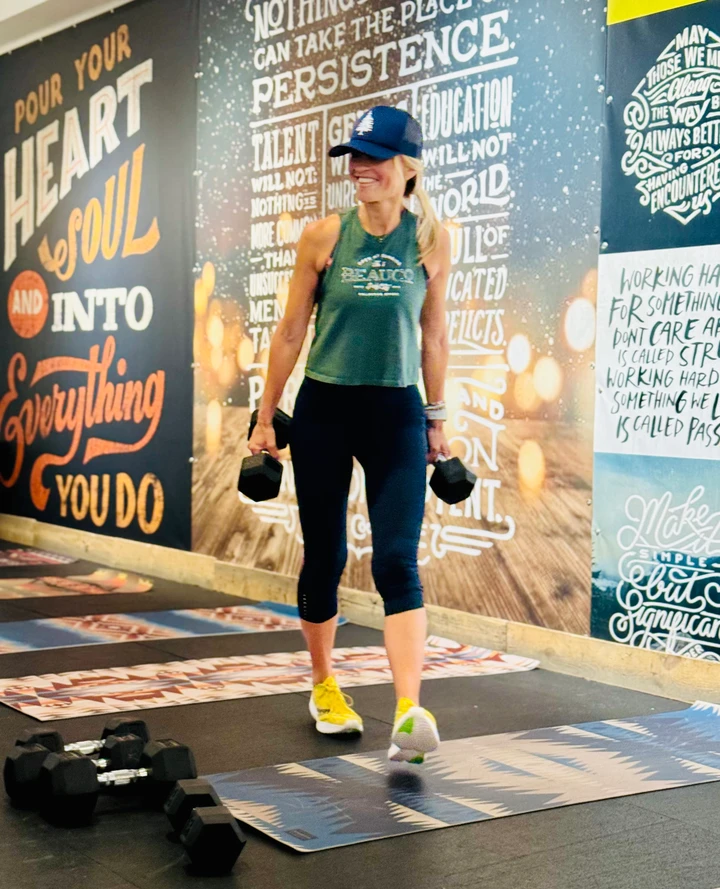
Whitney White Kozlowski
The Beau Collective swung open its Park City doors in 2015 as a fitness and social hub for locals to challenge themselves physically, evolve themselves internally, and enjoy themselves socially.
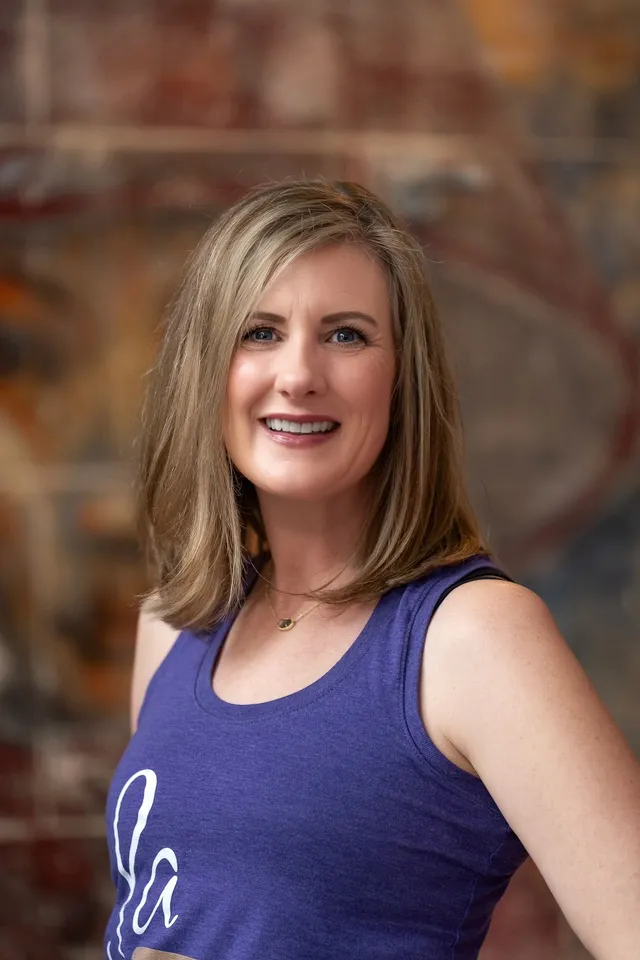
Julie Saccento
At labarre studios, we believe everyone deserves a space where they feel truly seen, appreciated, and cared for. Our mission is to create a beautiful, welcoming environment that uplifts the spirit and inspires joy.
If you're even thinking about switching from Mindbody, you're already there. Walla has set us up for success to scale.
Common questions
Is this webinar free?
Yes. Every Walla webinar is free to attend live and free to watch on demand afterwards. All we ask for is your email address. There is no card and no trial attached.
Do I get the recording if I cannot attend live?
Register anyway. We email the replay to everyone who signed up within a day of the session ending, and it goes into the on-demand library shortly after.
Do I need to be a Walla customer?
No. These sessions are about running a studio, not about our software. Most attendees are on another platform when they join.
Who is this for?
Owners and managers of boutique fitness studios, whether you run one location or several.
Watch next


Stop managing your studio.
See Walla in 5 minutes — no pressure, just an honest look at what changes for your business.