







Walla x ONBRND: How to Expand Your Yoga Studio on Your Own Terms
Most yoga studio owners hit a glass ceiling in Monthly Recurring Revenue (MRR). If your classes are full but your revenue has plateaued, the issue isn’t demand; it’s your conversion structure. Join Walla's Laura Munkholm and Zach Mills from ONBRND as they show you how to scale using high-conversion intro offers and "calm" automations that grow your profit without losing your studio's zen.
Three things you can set up this week.
Stop guessing and start growing
Discover the specific structural reasons why studios stall. We’ll break down the math of "The Plateau" and show you how to shift from a passive conversion model to a proactive revenue engine that respects the yoga lifestyle.
From first savasana to founding member
Learn how to design intro offers that do more than just fill mats. We’ll explore three specific frameworks that protect your brand equity, create an immediate sense of value, and build a clear, psychological bridge to full membership.
Automated follow-ups that feel like a friend
Stop leaving money on the table from expired trials and passive browsers. You’ll learn our signature "Calm Email & SMS" strategy—a sequence that recovers missed revenue and drives conversions without ever sounding salesy or aggressive.
If you only have two minutes.
What's in the session
Read the session
0:05 Hi, guys. Hello. Hello, my friends. Thank you so much for joining us today. We are gonna be diving into how to expand your yoga studio on your own terms with Zach Mills from OnBrand. Thanks so much for being here today, Zach. I appreciate you having me, Lauren. Super stoked. Can't thank everybody enough for, for hopping on. Excited to dive in. Yeah. Thank you all for showing up here today. And for those of you watching on the recording, we have a really incredible presentation for you today. And I think, you know, one of the reasons I was so excited about this is we constantly hear frustration and friction when it comes to how to present yourself online, where to spend money on ads, and how to make the most of that. And from what I've seen with Zach and working with our clients here at Walla, it seems like you've really nailed this industry, and I'd love for you to, tell our friends here a little bit about you. Actually, if you wanna share your screen, you can dive into that slide on your on your presentation.
1:08 Perfect. Might as well. Let's do it. Awesome. Alright. You guys see me? Yeah. Yeah. Yeah. Yeah. Awesome. Alright, guys. Well, yeah, to Laura's point, so excited to be here. Quick background check on myself. Been in the industry close to ten years now. Started on the vendor side. Been on the operating side for five plus years now. Former marketing director at Xponential Fitness. Headed up marketing for both Yoga six and AKT, which is, you know, why we're, why we're diving into the bread and butter today. I found it On Brand, which is a digital marketing agency, you know, specifically for boutique studio partners. And to this to this day, our current footprint is we're working with over 60 different studio partners. We manage over a million dollars in ad spend. We're averaging anywhere between 10 to 12% conversion rates, and we've generated close to 50,000 leads, across the board, not to mention thousand email campaigns deployed. So, again, we really kinda come from the industry. We take a look at a holistic view and pretty much, like, your entire digital funnel, to really drive a sustainable growth model for our studio partners. So excited to dive into to all the nitty gritty with you guys today.
2:17 Yeah. And before we go into the deck completely, I did wanna just throw a couple things out there, kind of housekeeping. But also for those of you that aren't, using Walla currently, we'll absolutely tailor this presentation to any platform you're using. So this is gonna be, speaking to everybody across the board in boutique fitness. We're obviously focusing in on yoga studios here, but you can apply a lot of these principles across the board. For those of you that wanna say hello, pop in, introduce yourselves, we've got a chat feature up on the right side. Please just pop in. Dana, yay. You can say hello in there, chat with each other. But if you do have questions during the presentation, if you wouldn't mind, there is a little q and a section. So the q and a, is great for us so we can actually mark things as answered, and we can see if a lot of people have the same question. That way I can monitor it and make sure everything's covered. So as we go, please ask questions in q and a. And if you wanna just comment or say hello or, you know, tell Zach of his hair looks, you can do that.
3:30 Alright. Cool. I'll I'll turn it back over to you, and please stay guys, close your tab. Let's do this. Let's do it, guys. Appreciate y'all. We're gonna dive into to quite a bit today. The main goal for me is really that every studio partner here can or every studio owner here can walk away with four or five, like, grasped concepts that you can go and deploy directly in your business, whether it's across intro offers, a specific automation sequence, meta ads best practices, or even the type of reactivation. Again, we got this down to about twenty five minutes or so. So, again, I don't wanna take up too much time. We're gonna have plenty of time at the end for some QA, so we can kinda rock through things. But with that being said, guys, I'm gonna dive on in. And, again, feel free to chime in as, as things progress. Alright? So first and foremost, got a couple of quick polls for you guys.
4:24 Wanna learn who it is that, you know, is on the webinar today and who it is that we're talking to. So first and foremost, there should be a poll feature, you guys can take advantage of is what booking system or CRM are you currently using? Could be Walla, Mindbody, Mariana Tech, Moments, on down the list. And I can't see the poll, so, Laura, you're gonna have to keep me posted. We got them coming in? Laura, can you hear me? Oh my gosh. I'm sorry. Oh, you're on mute? Perfect. We got the come we got the polls coming in. Okay. I will go through that again. So polls. We've got Wallace about 55%. My body and Mariana Tech about 20% each. And then other is, looks like Acuity. People have popped into the chat to let us know. Cool.
5:45 Right on. Right on. And yeah. Thanks for bearing with my, muted My I'm just I'm just talking aimlessly. Perfect. Here we go. Alright. Cool. Poll number two, are you guys currently running ads? That could be Google, could be Meta, could be TikTok, anything. Just wanna see who's who's engaged in some outbound marketing. Alright. So the poll is published now. You guys can see it on the right side, hopefully. And it could be any ad site. We've got about 65% yes. Nice. So definitely more than half of you guys are running ads, it looks like. Mostly Instagram, mostly Facebook, Instagram. Perfect. Yeah. Exactly what we're diving into today. Let's go. Alright. Nice. And then finally, what is your biggest bottleneck? We have a few options, you know, that are listed in the poll. So really just kinda wanna understand between lead flow, retention, and on down the list. Alright. Yeah. New leads, lead conversion, or member retention are the options.
7:02 Nice. And it seems like lead conversion seems to be the biggest bottleneck so far. Yeah. I think. Still at 75, 78% lead Oh, wow. Here we go. Let's dive in. Yeah. I love it. Alright, guys. Well, I appreciate you guys setting the tone there. Again, it's just great for us to have a little bit better of understanding of, you know, who it is that we're talking to and, you know, that way we can kinda tailor the conversation accordingly. But it's all talking to you guys on Wallace. You guys would be familiar with, you know, some of the systems that we're gonna dive in for those folks that are on Mindbody, Mariana Tech, Acuity, and others. These are all 100%, applicable to you guys. There's just a couple more levers, you know, that you're definitely gonna have to pull on certain pieces when it comes to integrations. But with that being said, guys, we're gonna break into the first section. Right? So, again, from our perspective on the marketing side, we always like to approach it from a holistic standpoint. Right? And it's not just leads, leads, leads, leads.
7:56 We like to take a look at the entire system. And when it comes to that, the first thing that we look at is your intro offer. Right? It's the first thing somebody sees whether they're, you know, a new a new potential customer, a referral, whatever it may be. Right? And so that's really where we tend to start when it comes to just the digital marketing infrastructure of any yoga studio that we're working with. And so just to give you guys kind of our first little sweet spot or first little snippet when it comes to offers and what we see working for the majority of our yoga studio partners, it really comes down to a seven to fourteen day offer. We say that because of five different reasons. First one is it appears more cost friendly, than a thirty day offer. Right? You can typically price them anywhere between, let's call it, $20 up to 59 or so. It shortens the sales cycle, right, considerably so you can have more opportunities to convert members over the course of each month. It reduces your CPL and, or your cost per lead, without exactly reducing quality because, again, it is somewhat of a higher ticket offer.
8:56 It creates faster urgency, and then, again, it's an easier conversion window during that time. Three top performers that, again, we are looking to implement or currently are implementing with a lot of our studio partners is first one is ten days for $10. This is specific to a yoga studio partner that is donation based. And so their price point is much lower than, you know, your standard, yoga studio. Right? And so we're able to get away with a little bit lower ticket up an offer. Next one is seven days for anywhere between 29 to $39. And then lastly is two weeks for 49 to $59. So, again, we really base these intro offers on three different pieces. It's a combination of your drop in price, what your monthly unlimited price is. So if it's, you know, a $150, we divide that by 30. It essentially comes down to, $5 a class. Right? So, again, we take a look at that piece. And then lastly, it's the competitive landscape. So you wanna take a look at your three or four closest competitors within, let's call it a five mile radius of your studio, see what it is that they're offering from a price point and a value position. And then that's typically the three areas that we look to really dive into, to come to the, the valuation of the offers for each of our studio partners.
10:07 So, take a look at those. Again, just a few that, that are top performers for us from both the conversion rates as the majority of folks on here, are dealing with, and an overall CPL and lead volume standpoint as well. Yeah. Don't worry. He's gonna be showing data on. Ex exactly. So next step, again, is exactly that. Right? So Block Squad Yoga is, is one of our bigger studio partners, particularly on the yoga side, to where they have that ten days for $10. Right? And so, typically, anything that's low ticket like that, we use touch with a 10 foot pole. But Black Swan is the is the differentiator here primarily because they're dropping classes usually anywhere between 10 to $12. Right? And then, their monthly unlimited is 98. Oftentimes, they're running at $88. So, again, it's not too big of a junk there. From a booking rate perspective, we are looking at close to 15% of folks who sign up for a lead or submit a lead form are actually taking advantage of that ten days for $10. And then based on the systems that they have as a result of that, they're converting those into, return purchasers whether it's a pack or a membership at approximately 30% as well.
11:16 Alright? Next up is Tuladara Yoga. Again, I know we're talk talking about the seven to fourteen day time span. Tuladara is actually a bit of an outlier, and then they're doing incredibly well with the thirty day offer price a little bit more, aggressively on the $59 side. So we're looking at a close to 12% booking rate or so with them and close to 40% in terms of conversion. That's to be expected. Right? It's a longer period of time. They're able to take more classes, and, thus, they are able to convert them at a much higher level. And then next up is Sol seek Yoga. So these are folks that, again, they're a little bit, little bit higher prices based on their proximity in Southern California. They're running two weeks for $69, 9% booking rates, a little bit lower than the other two. But, again, industry average is anywhere between two to three percent of digital leads, and they're converting close to 30%.
12:02 Alright. So, again, really just, a quick snapshot in terms of what we see is working from both the CPL and the CVR standpoint, to get people through the door. Alright. So, again, that's just the first section. You wanna take a look at your intro offers. It's the first thing that people see. Try different ones, but you really leverage those three different data points, to really understand what is best for your studio, and what is ultimately gonna be best for your, your members. Alright? So now that we've discussed the intro offers, the next piece that we wanna dig into before any type of outbound marketing is completed is your automation systems. Right? The last thing we wanna do is be driving leads, spending money on ads, and the leads are going nowhere or they're not being communicated with. Right? A lot of people on this call, I would imagine, are either single or, you know, two or three studio location operators.
12:54 And with that, you're wearing 19 different hats. Right? And oftentimes, we follow-up, tends to get pushed to the side. So, again, before we start running any ads for any of our studio partners, we make sure that they have four fundamental automations put in place for the journeys, in this case, for you, for the Walla users to ensure that any new contact that enters your system is being communicated with on a consistent basis and on an immediate basis. Right? So, again, as we dive into these, without automation, really, your ads are not going to succeed. Kinda like industry averages, you can expect around two to three percent of your digital leads to convert. The reason we're able to see booking rates anywhere between eight to 10 to 12 to 15% is primarily based on the systems that we put in place before we press play on the advertising. And it really comes down to these four pieces right here. Your new lead flow. So this is anybody who created an account, and has not purchased or has not visited.
13:49 What does that touch point and that sequence look like from a communication standpoint? The next one that we typically dive into is your drop in or your ClassPass upsell. So folks who come in on a single class or come in on ClassPass, how do we upsell them to your intro offer? What is the communication cadence and the strategy around that? Your trial nurture. Alright? Majority of our studio partners are anywhere between seven to fourteen days of that trial. We wanna engage with them on a consistent basis to keep them coming back and keep them using their trial. Right? And then lastly, this is, like, I would say, nine out of 10 studio partners that we work with, missed this final one of missed sale. So these are the folks that have just completed their trial offer. Right? What is that communication cadence like over the course of five, seven, ten, fourteen days as they are the warmest possible leads that you guys can have?
14:34 Right? So diving into that, again, takeaways that I want you guys to, you know, at least take. You don't have to write all this down. We'll obviously send the deck afterwards. But what you on the right here is our go to kinda tried and true method when it comes to the new lead flow automation. Alright? So we've got anywhere between seven to eight different touch points over the course of a 10 time span. And it really, really just helps move the needle from an initial communication initial booking standpoint. So just to break that down that you see on the right, days zero immediate, that is specific to anybody who completes, a form, right, or creates an account. We send them an email and a text message immediately. Right? Those emails and those text messages have to be hyper personalized. Right? Walla does a fantastic job of being able to pull in specific personality based data in terms of names, numbers, birthdays, events, etcetera. So the more that you can personalize that experience, the better. Right?
15:30 We do actually recommend and work with our studio partners to try and get a manual outreach on the on the same day that Lee comes in if possible. We know it's not always possible just based on the million different hoops and hats you guys are wearing, But that's always a bonus. Right? And then the subsequent messaging after that is alternating between email and SMS. So one day later, it's an SMS. Two days later, email. Three day SMS. Seven day email. Ten day SMS. So, again, good chunk of the studio partners we work with. They'll usually have one or two initial messages. Right? But to cut through the noise in today's world, we all know that we wake up and we've got a 100 random emails in our inbox. We're, you know, we're getting text messaged on, on a consistent basis. Right? But how is it that we break through that noise and it's through that hyper personalization and the consistency factor?
16:19 Yeah. Just quickly, Rosa had a question, and Rosa can clarify this. You said, is there a more current recommendation for a trial time period? Are you referring to what he mentioned at the beginning, like ten day seven days, ten days, or two weeks? Maybe just pop that into the chat. But if I heard you correctly, Zach, you are you are recommending in your data shows that anywhere between seven and fourteen days is an ideal trial period? Correct. Okay. Awesome. Alright, Rosa. If there's anything else we missed there, just hop into the chat and let me know. Awesome. Alright. And we'll keep rock on. So that's gonna be low. Again, on a number two is your drop in slash class pass intro upsell. Right? So, again, these are folks that come in on that single class. Don't necessarily take advantage of your intro offer. Again, they are very, very, very warm leads, because, again, they've they know who you are. They've taken a class. How is it that we get them back and upsell them to a seven or fourteen day offer? Right? And so the touch points here need to be a little bit less consistent, again, because they've already been inside the studio. But you definitely wanna reach out and make it as personal as possible. With these flows in particular, we try to make it more SMS forward, particularly on the drop inside. ClassPass obviously is a little sticky when it comes to data transfer.
17:40 But the usual cadence for us is a day one, day three, day seven. And so day one is that SMS. Manual outreach is an absolute plus. So, hey. Just saw you came in for your first visit. What'd you think? You know, did you know that we have this intro offer x y z? We'd love to get you booked in. Let me know if you've got any questions, but hope to see you back in the studio soon. Right? Something very, very similar to that. We tend not to be too salesy or pushy in the majority of our messaging. We found that the more personalized and the more conversational that we make these messages, and leave them open for interpretation and for reply, the better response that we get. Right? And so, again, the benefits of working with a wall out, right, is that you have that two way texting SMS capabilities that everything houses in the inbox. Right? So you have the ability to not just send them a link and purchase. Right? But you can leave them with a cliffhanger of, can we get you signed up? What did you think of class?
18:35 You know, how do we get back into the studio type of pieces? I love the can we get you signed up? I hear time and time again that people just want you to do it for them. Right? Like, if there's anything you can take for care of for them where you don't have to send them a promo code to another link, like, make it as simple as possible. And, yeah, like, this is an easy way to make that happen with an automation. 100%. Alright. And so the next one so third of the, of the top four that we typically dig into, again, is just that trial nurture. Right? We've worked so hard. We've spent, very valuable ad dollars. Someone, submitted a lead. They purchased the trial. Now what? Right? Of course, they're going to take advantage of it. Right? Maybe they might come in two, three times depending on what your offer is. But what is that experience like? Right? All data is showing just that personalization, hyper, hyper community focused is really what's what's moving the needle from a conversion rate standpoint.
19:30 And so you want to have three to four touch points during anybody's multi day trial. Right? And so again, what we look at and what our go to is typically after that first class, what does that SMS look like? Just a quick check-in. Don't necessarily need to push them to book their next class or anything like that. Usually, it's halfway through the trial. Send both an email and an SMS depending on what they opted in to do. So that way you're hitting them from both angles. And then three days before their expiration, again, this is more specific to the longer term trials in the fourteen days. With these, we like to include some type of incentive or some type of membership specific offer to where, hey. If you commit before your trial is up, you get x y z. You get 10% off your monthly membership. Right? Whatever it may be. And then, again, the last one is one day before expiration.
20:17 This one is we do tend to introduce a little bit more scarcity in the sense of, hey. You know, been so much fun having you. You got one day left. Don't forget about this office y z. We love to get you signed up. Let me know if I can help in any way, but it's been awesome having you by the studio. Right? So, again, that's those are the four different touch points that we tend to include during the overall trial process. Again, within Walla, this is super, super simple to set up on the journey side of things just based on the automation and the segmentation capabilities. Mindbody Mariana Tech, little bit more difficult just based on how quickly the, the systems update. But there are levers that you can pull to at least have some type of engagement during that process. Zach, we have a quick question from Angela, and it goes back to your maybe one slide back about the drop in Yep. Oh, yeah. Okay.
21:07 So just any insight on success for that follow-up to get into rather than, yeah, like, try out the intro offer or upgrade to the intro offer. I know you have this SMS here. Is the is there something that you've seen be successful to get them to bite their ascent? Yeah. So the biggest thing is taking their, their drop in to and then discounting that towards the intro offer in particular. Right? We have different studio partners who are a little bit more price reversed than others, but particularly for first time visitors. So say your drop in is $35, your intro offer is 60. You would just essentially discount that 35 from the 60 saying, hey. We'd love to get you upgraded for $25. You just have an extra six days left. Let us know if you wanna take advantage of that. Right? So all in all, it's you're essentially selling the same thing, but it seems as if you're giving them so much more value, and it leaves a great taste in the mouth. And the response rate is, is pretty phenomenal from what we've seen.
22:05 Okay. Great. And you can always create, like, a separate plan in while we're out. That's a discounted version of the, you know, new student special and make it just, like, a one time purchase or only available to purchase once so people don't add that over and over. Exactly. Yeah. And I'm not sure if, if Justin from SoulSeek is on or not, but they do a fantastic job of this, at their studio for sure. Thanks. Alright. So we got the trial nurture. And then last but not least, guys, this is miss sale. So, again, between the new lead and between miss sale, I'd say these are your two most vital, in the sense of what it is that you want to be communicating and how often you wanna be communicating. Right? So this is essentially pulling in anybody who completes a trial offer, that does not convert to a membership, a package, or they don't have a future book, future booking schedule for your studio. So the way we like to break this down is twofold.
23:01 The first five days after someone completes their trial offer, if they don't convert, we like to be very membership focused, with that particular offer. We usually go day one, day three, day five. Typically, flip flopping between email and SMS just to hit them from different channels. And then for whatever reason, if they don't convert to that membership or they're not incentivized enough by that, that membership offer, we'll cool things for about three or four days or so, and then we'll throw them into a separate segmentation where we hit them with a credit pack offer. Right? So we remove that barrier, that potential objection of, okay. Like, hey. I don't really wanna commit to a membership. I don't know if I wanna come four times a month or eight times a month or unlimited, etcetera. So we take that off of the plate, and then typically it offers something like a ten, fifteen, or 20% off your first credit back. Right? And we've seen quite a bit of success with that type of combination.
23:50 There are some studios where we have this role reversed just based on the overall efficacy. But, again, the MRR is something that we typically strive for, and so that's why we lead with that membership focused offer. Alright. So now we're getting to the meat and potatoes, which I would imagine is, is a good chunk why most people, signed up today in the sense of just meta strategy and get more leads through the door, get more qualified leads through the door. Right? But I think it's important to cover the first two basis of what is your intro offer. Right? Because that's definitely gonna clean up your overall lead quality. And then your automation's in place. Right? Because those are gonna considerably help with over booking rates. So wanted to settle those two in particular before we dive into kind of the best practices of Meta and what we're seeing working, you know, on the actual advertising side.
24:41 So with that being said, what is working on Meta right now? And it's three primary pieces. Right? It's your offer, like we talked about. It's your hook. So that is initial piece or the initial copy or the initial image, whatever it may be that stops people from scrolling directly in their feed. And it's really the creative. Right? How engaging can you be with your actual creative? Those are the three most fundamental pieces that we're seeing really move the needle from both the CPL and a conversion rate standpoint, to get people to actually sign. Because as you guys can attest, right, probably much better than I can, but there's a lot of competition out there. And people are consistently pumping more and more into advertising and trying to be the next thing and the virality of TikTok and Instagram, etcetera. So you really need to nail these three pieces before you're able to have a sustainable growth system on paid.
25:35 Right? When it comes to recommended spend, I know this isn't gonna be a very popular opinion. But from what we've seen with the 60 plus studio partners that we're actively working with, you really don't start to see a return on investment until you're really in that seven fifty to a thousand dollar per month ad spend, per location. So the reason that is that you just don't aggregate enough data. You don't give enough data to Meta, to really optimize the campaigns and target the people that you wanna target on a budget that's low than that. Again, primarily due to overall competition, rising cost in media, rising cost in CPLs, etcetera. So, unfortunately, Meta is one of those things that's just a pay to play platform, and it rewards brands, companies, and studios for consistently advertising within the platform. So I'd say those are the three, if not four, takeaways that, are working primarily on Meta right now.
26:29 Can I ask two quick questions there, Zach? Good. First one, does is that $7.50 to $1,000, does that depend on your, like, physically where you are? Like, if you're in a city versus a suburb versus rural? Totally. Yeah. So population density definitely does have a factor into that. And I would say another secondary component is if you do have two or three locations that are all within a, let's call it, five ish or so mile radius, then the seven fifty per location can really be reduced to around 500 or so because there is going to be similar demographics, similar potential customers that you're marketing to. So you can get away with a slightly lower spend. Okay. Super helpful. And then, I guess, the other one isn't necessarily a question, but maybe just a clarification. I want everybody to hear this. How much Meta rewards consistency? Yep. So I think one of the most common things we hear is that people tend to spend on advertising certain times of the year or when things feel like they're slowing down at their business.
27:32 So it's, let's kind of, like, fire drills, throw money at the problem, see what happened for a couple months. And then when things pick up, they breathe again, and they stop spending money. But Meta does not like that, and it doesn't reward that type of behavior if I'm hearing you correctly. 100%. 100%. I think it's it's it's great in theory in the sense of, okay. Hey. Let's save let's save $750 or a thousand bucks this month. Right? But then, again, the ability to get things ramped back up after that time is you lose out quite a bit, in terms of just overall efficacy of your ads. Your CPLs are gonna be higher. CPMs are gonna be higher. Customer acquisition cost is gonna be higher. So it's highly, highly recommended to have campaigns running at any point in time on a monthly basis. Actually, Alex just asked to follow-up to that. If you're not interested in or just frankly able to spend $500 a month on Meta, is it better to just get paid ads in general? I would say so. Yeah. K.
28:34 Yeah. That's really Good question. Mhmm. And Susan asked, what do you mean by reward? Meta rewards. Do they not show it? Is it less optimal to folks? I don't know if you can answer that completely. But It's, it's I don't know if I have a scientifically backed answer with that. We just see it that if we run campaigns and start campaigns, getting things back up and running as reenter the learning phase campaigns, reenter the learn is over the course of three to five days. So you're really losing out on efficacy. Let's call it five to seven days or so of that month, where if you were consistently advertising right, it would have been consistently learning on what happened yesterday, the day before that, the week before that, the month before that. So it's just constantly getting better and better. Right? And it does a great job of somewhat autonomous marketing once you give it the pieces.
29:29 And the pieces are your offer, your hook, your creative, and the copy as well. Right? And so then you just need to know what to look out for, when to pause certain ads, when to introduce new ones, etcetera. But in terms of the targeting and the delivery, Meta does a good job of iterating and learning from itself. Yeah. Somebody, I like, in my basic nontechnical marketing terms, somebody explained this to me one time as meta is excellent with patterns. And if you leave something going for a while, the pattern recognition becomes so excellent and spot on that it's hard for them to or meta to miss. But when you disrupt the pattern over and over and over, it becomes more challenging for it to be effective. Spot on. Who said that? I don't remember. Okay. Let's say I'm gonna tell you. I'm not gonna claim that I said it. I'm just gonna say a friend of mine. There you go. Oh, I do know who said it.
30:21 Yeah. A woman named Krista Cline Smith. Okay. Fair enough. Alright. Well, shout out to Krista then. That's spot on. Alright. Real quick, guys. So, again, going back to the three fundamental pieces, hooks are, again, one of the most vital things, and a hook is essentially just what stops the scroll. People are flipping through Instagram. They're flipping through Facebook. They're not necessarily there to look for your business or your studio. So when they see an ad, it's gotta be motivating. It's gotta be captivating. Right? And we really break it down into five simple frameworks, or five different types of hooks that we typically implement particularly for yoga studio. So we've got five here, that are just examples. Again, this is another takeaway that you guys can go and look and weave into your campaigns, whether it's the copy or the creative. But the first one is the curiosity hook.
31:03 So this is something that kinda poses a question to where people see it. They stop and, like, interesting. Right? So quick one for this is I did yoga every day for thirty days. Here's what nobody tells you about what happens to your body. Right? Dot. People see that. They're wondering, well, what does happen to my body? Right? The next one is the pain point hooks. You're targeting something that really that specific customer might be suffering from. And so this one is potentially back pain. Your back pain isn't from your mattress. It's from the eight hours you spend sitting and twenty minutes can fix it. Right? And then, obviously, your subsequent copy after that then can potentially tie into how yoga is great for back pain. Right? But you're targeting a very specific person, who is a ideal to, customer for your yoga studio. Right? The contrarian hook, this is something that really just flips it on its head. Right? Flips traditional logic on its head. Yoga isn't about flexibility. Right? And that's just like, wait. What? It's not?
31:55 Most people think that. Right? And so tagging that inside of your creative or your copy is gonna stop people to be like, what the hell is it about then? Right? And so that's what get people to kinda stop, take a look, and then obviously engage further from there. Next one is social proof. Simple enough. This is really just targeting specific testimonials, or, specific statistics as it relates to your business or whatever it may be. And then lastly is the direct challenge hook. So, again, targeting people who can or cannot do these specific things and how yoga or your studio can be the solve for those things. Right? If you can't touch your toes, sit on the floor comfortably, or take a deep breath without tension, this is for you. Right? Some of you here might have been, might have signed up particularly because of the, some of the meta ads that we were running, right, or that, Laura had created, and her first hook was exactly just that. If you're a yoga studio owner doing anywhere between 20 to $30,000 per month, then this is for you. Right?
32:50 It's a very, very specific call out that targets those folks who are most interested to do that, and that's what stops the scroll. Alright. Next up, again, this is a very technical slide, so I don't expect everybody to get this. But I just want to showcase the amount of depth that it takes in order to run a consistent ad campaign. Right? A consistently high converting ad campaign. And these are the essentially, but this is the blueprint for what on brand does for all of our meta advertising. So we break it down into four statistical categories. You have your pause rules. So when is it that you wanna pause an ad? Ad fatigue rule, when do you need to update creative? Your funnel diagnosis. So how is it looking from a conversion rate standpoint, not only CPL, but also conversion and down the line? And then your lead quality check. Right? So after you've generated 50 leads, how many of them booked, how many of them have converted to members, etcetera.
33:44 That type of data should then go inform, what you're doing upstream. So just to dig into this quickly, again, you guys can you guys can screenshot it. We'll obviously have, you know, this deck sent to you guys via email after the fact so you guys can reference this. But, again, the pause rule for us is if any ad is spending over one and a half times your target CPL, then you gotta create a new ad and pause that one. Right? Pause and ad if there's been three plus leads over the course of thirty days, but the CPL is greater than one and a half percent, or excuse me, one and a half your target CPL, but it's accounted for less than 33% of your ad set leads, pause those. Right? So again, there's a ton of, of variable data that we can dig into here, but our paid specialist teams have really put this together and put a framework in. And this is the logic that we are considering rating and optimizing all on a consistent basis.
34:33 And this is what allows us to have healthy CPLs and strong conversion rates, primarily because of this these, metrics and benchmarks, if you will, that dictate everything that we do on the advertising side. So What is a healthy CPL? Or yeah. Talk to us about if somebody is doing this on their own, what do you shoot for generally? A 100%. I would say that goes back to your offer. Right? So depending on where the price point is of your offer, you typically want your CPLs to be 30 to 50% of that or so. Right? So if you have a $30 offer, you wanna be anywhere between the 10 to $15 mark. Right? Assuming that leads are converting anywhere between five to 10%. That's where the math really makes sense from a customer acquisition cost. If you have a $50 offer, right, you want your leads to be in the 15 to $20 15 to $20 range. Right? So I think that's probably a general ballpark that we look to aim at. Obviously, for us, we like to go a little bit lower and go as low as we possibly can, but not at the not at the detriment of sacrificing lead quality.
35:36 Mm-mm. And we I know some of you out there have free offers, so that may be tricky for you. In that case, just as low as you can get. A 100%. If you're I would say, if again, depending on your market demographic and where you guys are at, in terms of total population density and what your customer persona, you know, could potentially look like. Usually, you wanna be in the 5 to $7 range tops for a first class for a first class free. A first week free should be even lower than that. K. Yeah. Good call out. I will say, though, if you guys like, I'm not totally against first class free or free offers, when they make sense, but it should be to a much more segmented audience. We haven't found a ton of success running free classes on that. You get a ton of leads. You get them cheap. Decent booking rate right around five to 10% or so, but it's what happens after the fact, is where you're you're kinda left hanging, holding the bag at that point. But, I think first class free definitely has a place, particularly on the automation side and the win back side to get people reengaged. But for paid media, could not recommend it less.
36:43 Good. Good. Alright. And then last but not least, guys, just a quick tidbit for you guys, particularly on the lead quality because I know 75% of, of folks on this on this call are really suffering from that. There's really three or four different levers that we look to pull when it comes to the overall lead quality side of things. Right? And they can all be done particularly with the meta instant forms tool. So if you guys are driving people to a landing page and people are signing up, there's only so much you can do there. But if you're leveraging the instant forms, in particular, there's a couple of different things that you can do. The first thing is adding one to two different qualifying questions. Okay? So making it a little bit more of a of a hassle, if you will, a little bit more of a chore to fill out that instant form. K? So ones that are confirming for ones that are performing well for us, are what are your current health and fitness goals? Right? For yoga in particular, your answers would be anywhere between three to four, you know, drop downs or bullet points, if you will. I wanna improve flexibility. I want to boost overall energy. I want to find myself a little bit more grounded or I wanna build a community or be part of a community. Right? Those are the four that we include. And then the next one is, we like to qualify just based on overall ZIP code. This is especially import
37:55 important for urban markets. And then the last one is we looking to get started. Alright. So can you, can you introduce folks, that ideally you're saying, I wanna start as soon as possible. I wanna start in the next couple of days, etcetera. It tends to clean up lead quality a bit. And then if that doesn't work, then you go into, conditional logic. And so you can build in conditional logic to any of those three questions that I just said. And if any of those answers isn't right, then they are not able to submit a lead form. Right? They'll just get bounced from it saying, hey. This probably isn't the best fit. You can check out our website to learn a little bit more and come back when you're ready. That's another piece that we look to implement pretty much standard across the board. And then last but not least, something that we just started testing, because Meta rolled it out about six, seven months ago or so, when it comes to instant forms is SMS verification. So, again, you go through all of those questions, and then, you know, you enter your personal information before they're able to submit that lead form.
38:51 The Meta will actually send them, a two FA or a six digit code that they have to wait for and then punch in to Facebook directly in order to submit their information. So again, with that, we've seen CPLs increase around 10 to 12%, but the conversion rates on it have skyrocketed as a result. So, again, if you're in a place where your cost per lead can increase a bit, that's certainly a lever I would I would recommend implementing. Yeah. I would say too, it seems that more and more people are struggling with loads of spam, and so this is gonna dramatically help that. Totally. And again, like, if they're confirming their if they're confirming their phone number, you know, it's not gonna be bogus information when it gets into your wallet account or your mind body account, Mariana Tech. So that way following up makes it that much easier for you as well. That much more legitimate. Awesome.
39:44 Alright. We have a quick couple quick questions here. So Yep. Was asking, if, essentially, if you do offers. So in his case, he has a free class and a two week trial offer. K. You're saying advertise the two week trial offer. Don't advertise the free. Yeah. 100%. Yeah. What you can do there and, and what we're we're actively doing for a handful of different clients, it's it's a classic upsell downsell. Right? We're pushing the higher ticket price item, and then we nurture them over the course of seven days similar to the new lead flow that I showed you guys in the automations. And if for whatever reason, they don't convert in the first seven to ten days, then you put them into a follow-up bucket and ask them to take advantage of that free class. Right? So I think that's where it makes sense is if you can just get somebody in the door at that point, then there's an opportunity to leverage that. Perfect.
40:32 Yeah. So it may not even make sense to have that free class on your website as an offer. It's your pocket offer for down the road. Exactly. Yeah. Okay. And then some wondering about just opt in rates on text. Do you see generally like, do you have any guidance or, you know, maybe 20% opt out, 50% opt out, or it just a bit? I would say, like, statistically speaking, it's about a third of folks who opt in for email are gonna opt in to SMS. So that's pretty that's pretty standard from what we've seen. So if you have a list of 5,000 people, you can expect to have anywhere between 1,500 to 2,000 people opt in on SMS. Yeah. In terms of the opt out side of things, that depends on how much you're marketing people. Right? Yeah. So it can vary pretty drastically depending on is it you're offering, how it is that you're positioning at, etcetera. Yeah. And something I just like to remind everyone here is that not every communication point with your clients has to be selling something. And I think that's part of the reason we see opt out rates. Yep. You know, moving in the direction they are is a lot of businesses just use communication like that to push a deal.
41:47 And that's just it's not a great relationship. That's not what I want opening my to open my phone to every day. So if you are going to be using text message, you know, really remember that people wanna learn from you. They wanna have a relationship with your business and not just be sold to. 100%. No. Spot on, Laura. Again, that goes back to just the overall personalization and, you know, kind of the community aspect that's really, really working from an automation standpoint. Awesome. Alright. So real quick, guys. When it comes back to hooks, your ad lives or dies in the first three seconds. Right? So, yeah, the three second attention span for these users or for these potential customers to take advantage of it. Take a look at the hooks. Take a look at the creative. Is it eye captivating? Right? And then really that's the number one reason why, people aren't clicking on your ads. Alright.
42:36 Couple example Our top performers, they're relatively simple, but they have three different pain points or three different hooks, if you will. Right? The first one is very value driven with the actual offer. Just first and foremost, targeting beginners for two, Ladara. We're getting leads on a $60 offer between 10 and $12 here, and they're converting close to 12%. Next one is Lumi Yoga actually. Funny enough, they're in presale. So this is like an exclusive offer if you will, as part of the presale process. Seven days for 29 doll what if I said twenty minutes of yoga can help eliminate your back pain? Again, talking about a potential pain point hook. And then next up is Socied Yoga. Again, focusing on that community in particular. Right? Yoga shouldn't feel lonely. And then, obviously, you have the details of your offer directly in the description copy, or the potential headline of it as well. So three different pain points through excuse me. Three different hooks, three different creative assets, all static overlays that are relatively simple to, to create, but make a meaningful difference when it comes to actual engagement rate and, conversion rate.
43:41 Alright. So just to kinda summarize everything, guys, the six reasons that, you know, your ads aren't converting, right, or you aren't getting people through the door is the hook is absent or noticeable. Creative isn't necessarily eye catching. The offer doesn't exactly resonate with the folks whether it's too high priced or it's too low priced. The copy is generic. There's no automated follow-up systems in place, and then there's no system for creative iteration. Right? And what I mean by creative iteration is that, it's just bringing different variations and different ads into your meta campaigns on a weekly basis. So just to give you guys a little insight in terms of how we manage our studio partners campaigns is that we're optimizing these anywhere between three to five times per week depending on overall efficacy. Right? And so that would be across iterating on copying potential hooks, introducing new creatives, so pausing underperforming ones, segmenting the ones that are working, creating three or four different variations of those with different callouts, different hooks, different images, or different videos, and then also segmentation, right, from an audience targeting standpoint. So, again, if you build the system beforehand, you give yourself, let's call it, 10 to 15 different assets. They don't have to be completely different.
44:51 Just have one minor change, whether it's the copy overlay, the image, etcetera. You're gonna give yourself a runway of about four to six weeks to run an effective campaign. Alright. So that was pretty much it on the meta side in terms of how it is that you can get, get leads into your system, but then really kind of optimize up stream, right, to clean up that lead quality to where you can get to that eight, nine, 10% booking rate as opposed to just the one to 3% that I would imagine the majority of you guys are sitting in right now. Alright. And now the final piece is, I promise I've been, I've I've been talking at you guys for about thirty minute thirty minutes now. This is the final section, and it's usually the opportunity that typically goes most underutilized. And it's one of the reasons why we at OnBrand have developed, pretty much like a holistic marketing agency to where we tap into your existing contact list because that is where the most opportunity lies.
45:47 Right? Is leveraging the contacts that you guys have spent so much money and so much time and so much effort to acquire that, you know, how do we leverage it? How do we get them back in the studio on a consistent basis? Right? So first and foremost is, again, it's the biggest gold mine that you guys have in your existing business. We will run anywhere between one to two different win back campaigns every four to six weeks or so for our studio partners on targeting hyper segmented individuals with very specific offers. Right? So just to give you guys a quick example of how valuable your existing list can be. One of our studio partners, Tuladara Yoga, we ran a win back opportunity for them last month, that was spanned over ten days. It had five text messages, and it was hyper, hyper personalized. So we pulled in the first name. It was founder led, in terms of the actual studio itself, touched on their pain points, and presented an offer in a very nonthreatening way. Right? So we had that nurture follow-up.
46:44 We essentially treated them as if they were new leads. And as a result of that, we had 39 reactivations last month. Again, just some existing customers that were already in there. And Tula Dara usually converts folks between 3040%. So I believe those folks came in anywhere between 12 to 13 members, across their three studio locations just based on building that win back campaign. Gosh. That's awesome. And, guys, if you're thinking, like, if especially if you're using Walla, it is quite easy to look at that list. 100%. Build an audience by the time this webinar is over, in a minute of, I wanna see everybody who's got an account created in Wallow who hasn't had a visit in x number of days. And you can also say or used to be a member or, you know, and used to and bought our intro offer at some point. So you can find that list. And I'm telling you when I run this with clients, there are typically thousands of people on that list. So there are so many opportunities.
47:42 What now? Spot on, Laura. And, again, that tease it up perfectly. So, guys, this, two Ladara happens to be on Walla. So, again, the segmentation is just it's incredibly seamless. You build the audiences up. You know, again, for us, we've been obviously doing it for a long time. But, again, this is a blueprint for our, our Walla studios here that can you can literally just take and build directly within, you know, the journeys with the audience section. But the way that we built this one for two, Adara was, again, pretty much, handling or targeting anybody who's come into the studio, that has not come back in the last six months, alright, and does not have a member, does not have a membership, does not have any things purchased. So the setup for that was class check-in activity was one overall time to that point in people who had at least taken, one class. Class check-in was zero over the course of the last one hundred and eighty days, and you may haven't visit visited within the last six months to further segment just to make sure no members get them whether they're paused or whatever it may be. Has member status equals no, and then the plans purchased equals zero last hundred and eighty days.
48:43 That will essentially weed out anybody who does convert as part of the first message. Right? So if we send it out to this list was around 2,200 people. If they if we send the first message and someone converts or purchases that plan on the first message, they would then automatically be removed from the subsequent four messages after that. Right? So we're not spamming them at the end of the day. But, again, this is the type of segmentation that's possible and even more granular than this, honestly, within Wuala. That's very, very simple and very user friendly to put together, right, to where you can really kind of export and, and take advantage of it. So for this offer, did you make it lower than the new student intro offer, or was it the same? Nope. It was the same. Yeah. It was thirty days for 59. Just created a separate pricing option so that folks who have visited before can take advantage of it.
49:32 And something cool about Walla is, again, you can have a direct purchase link that's not showing on your actual website or your pricing page. Right? So that way, not anybody can just take advantage of it. It's only sent to the folks who fell into this, this win back campaign. Alright. So the full system in closing, guys. Again, this is just the final few slides for you guys. Really, like, the way you look at it is it's a full system. It's so much greater than your single tactic. Right? You have to make sure that these six pieces are really in or excuse me. These five these five pieces are working together synonymously in order to move your studio forward. You gotta have the right offer. You gotta have the automation set into place, right, to nurture anybody that comes into your studio. Paid traffic, gotta get down, particularly on the meta side. The segmentation has to be right and just really, really leverage that existing contact list that you guys have on the reactivation front. Right?
50:25 Ideally, it's on a monthly basis just to squeeze how much you can get out of the thousands of people that are already familiar with your brand. Alright? And so with that, that is it. And I wanted to thank you guys all for all for listening to me babble for the last, let's call it, forty five minutes or so. And as a result, guys, we are going to be offering a free win back campaign. So exactly what I just talked about, in the sense of what we did for Tula Dara Yoga. Anybody who's on this, on this webinar or on this call, feel free just to scan that QR code. It goes directly to goes directly to my calendar. Would love the opportunity to show you guys what's capable, directly with the existing contact list that you guys have. We would handle everything inclusive of offer strategy, audience segmentation, copywriting, and execution, everything in between. So feel free to scan that. And then, again, we'll, we'll look forward to seeing you guys soon.
51:19 But, hopefully, there was a few tidbits and snippets away from here that, you guys are able to implement your business right away. Yeah. We've got a couple questions, but, guys, this is like this is literally free money. I mean, you know sending something to your existing audience when it's segmented properly is gonna generate at least a couple sales. So please take advantage of it. So this is a question a little bit outside of just marketing that Angela was asking about unlimited memberships in general. K. Do you find that those perform? And also her other question is, you know, do you limit those to one per day max? Like, she I guess, just thinking about the financial ramifications of offering unlimited. Totally. No. Great question. I would say I would say every studio partner that we work with has, a monthly unlimited plan. And I would say it's it's probably fifty in the sense of folks who limit it to one class per day versus it's a truly unlimited. I would say in the yoga space in particular, it's typically unlimited.
52:27 With the average better. Yeah. What did you say? I like actually unlimited. I agree. Right? I agree. And particularly in yoga, when you guys have a little bit higher of a capacity in each individual studio, you can get away with that. We're seeing average utilization, I would say, anywhere between 16 to 18 classes, I would say, on the unlimited side. Or you where you typically wanna introduce a cap, or a per day limit is in the Pilates space. Right? Because you only have typically 10 to 12 spots. So they're much more valuable at that point. Yeah. And something I like to remind studios is that those the people that are coming to your business, if they're taking two classes a day, I guarantee they're telling somebody Correct. That changed my life. Like, going to this yoga studio is the reason I feel so good. Like, they're they become your marketing just being out in the world. So The juice is worth the juice is worth the squeeze at that point. Typically, what we see and there's always gonna be five to 10 folks, right, that are your absolute tryhards, but they're also the ones that really kinda make or break the community. Right?
53:28 Those are the anchor point for sure. Yeah. I to me, I never felt like it was gonna cripple my business to let people take a couple of classes a day. Okay. So just in general thinking about businesses with multiple offers, I know we talked about, free versus not free. But we have lots of clients that have multiple offers, like a lower tier and a higher tier. Yep. Do you recommend simplifying and staying with one? Honestly, if you ask me six months ago, I probably would have said yes. Mhmm. But, legitimately, over the last six months, we have been introducing a high ticket and kind of a medium ticket, if you will. It's converted pretty damn well for us. We'll sell less of the higher ticket, obviously. But kind of from just, like, a psychological standpoint, if you're advertising something for $99, all of a sudden, the 49 or the $59 offer looks a hell of a lot better as well. Right? When in reality, though, that's still a pretty decent size intro offer chunk, in the boutique base, particularly for yoga, that we've seen be pretty effective. So I think having one high ticket, one mid ticket or so, is very advantageous.
54:39 Yeah. I something else I will add to that is when whenever I see those be really successful, oftentimes, the high ticket has some sort of a cool perk with it, like mat and towel service or something that just makes it feel a little bit more VIP. Right? And people want convenience. People want to feel like they can just walk in and have an easy experience. So I think that helps with that higher ticket offer for sure. 100%. Alicia is wondering any thoughts on ClassPass and conversions there? I know you had a slide on it on converting from ClassPass. Any words of wisdom? I know it's tricky. It's it's it's always tricky. What we've seen with ClassPass is it's always gonna be price related. Right? Again, back to Walla, the ability to segment ClassPass folks in particular is very advantageous. An offer that's worked for us, at least from a membership standpoint, is either a $99 first month, package or comp the first month and its full price for the remaining two to three months.
55:47 Again, just to see if you can get those people to convert and come on a consistent basis. But those are yeah. Nine times out of 10, CP is gonna stay CP. So, that's, yeah, that's that's really the only offer that we've had success converting folks with. Yeah. Alright. Awesome. Well, guys, last chance for questions here before we let Zach get back to building some win back campaigns. Okay. Well, thank you, Zach, so much for sharing your insight, your wisdom. It is such a pleasure. And, guys, I hope this was helpful in just giving some direction. Take advantage of his offer. Please get to know the guys at on brand, guys and gals at on brand, and, keep your eyes out. We're gonna have a few more of these webinars coming up. We know how much everyone is asking for support when it comes to not just marketing, but actually lead management and retention. So, keep your eyes peeled, and we will see you next time. Thank you so much. Thanks, guys. Appreciate y'all.
Your host
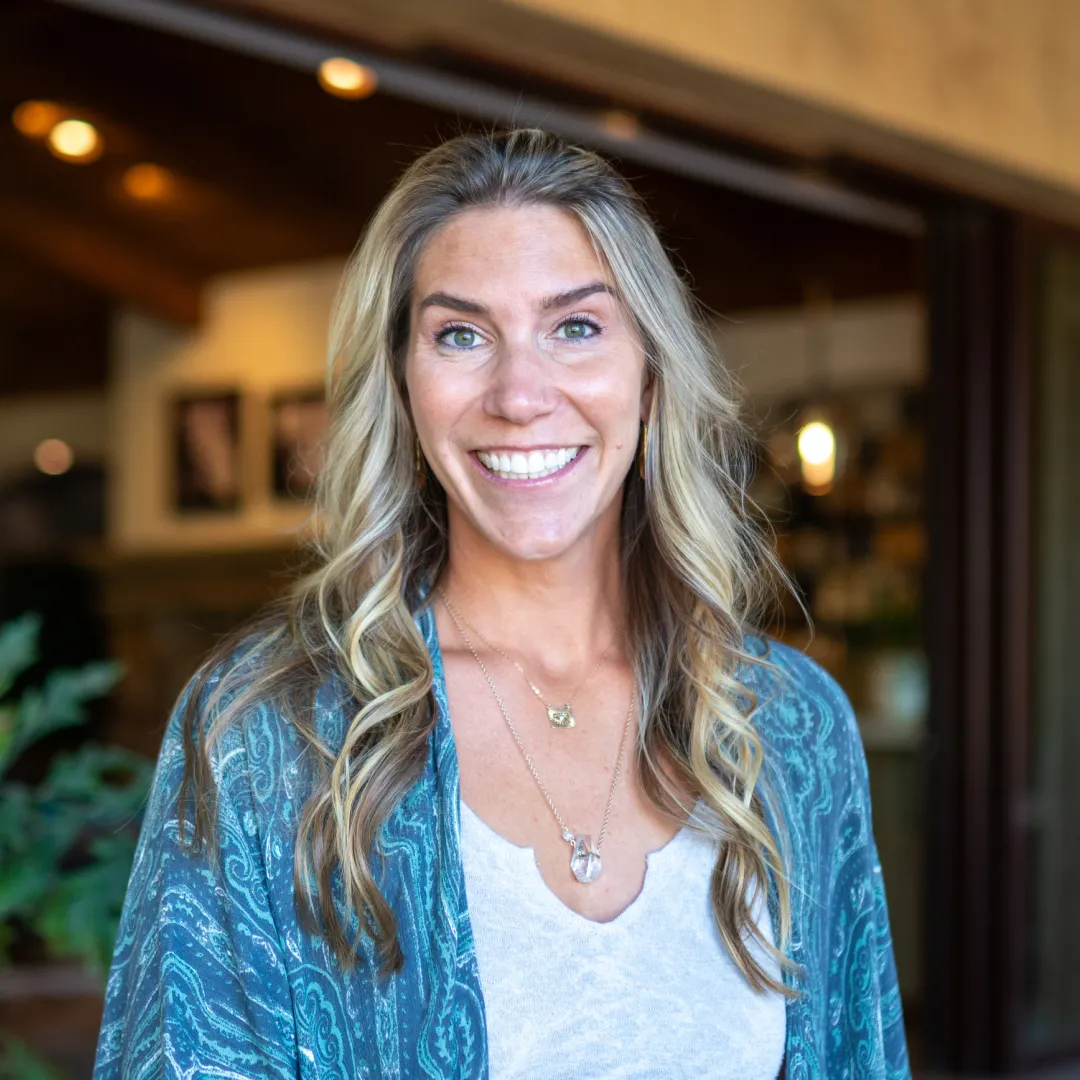
Laura Munkholm
Lifelong wellness aficionado and athlete, Laura Munkholm is positively impacting the fitness software industry as one of the only female executive leaders in FitTech. With over two decades of diverse boutique studio experiences, Laura has consulted for hundreds of studios— speaking on dozens of panels and podcasts while creating community connections. As president and co-founder of Walla, Laura brings her client relations, retention and revenue knowledge, and sales expertise to the talented San Diego-based startup.
.webp)
Zach Mills
Zach saw opportunities within the fitness industry to leverage standard and digital marketing tactics to further drive brand awareness and credibility, generate leads, and positively impact bottom-line revenue. ONBRND delivers tailored omni-channel marketing for fitness and wellness brands for ultimate growth.
If you're even thinking about switching from Mindbody, you're already there. Walla has set us up for success to scale.
Common questions
Is this webinar free?
Yes. Every Walla webinar is free to attend live and free to watch on demand afterwards. All we ask for is your email address. There is no card and no trial attached.
Do I get the recording if I cannot attend live?
Register anyway. We email the replay to everyone who signed up within a day of the session ending, and it goes into the on-demand library shortly after.
Do I need to be a Walla customer?
No. These sessions are about running a studio, not about our software. Most attendees are on another platform when they join.
Who is this for?
Owners and managers of boutique fitness studios, whether you run one location or several.
Watch next


Stop managing your studio.
See Walla in 5 minutes — no pressure, just an honest look at what changes for your business.